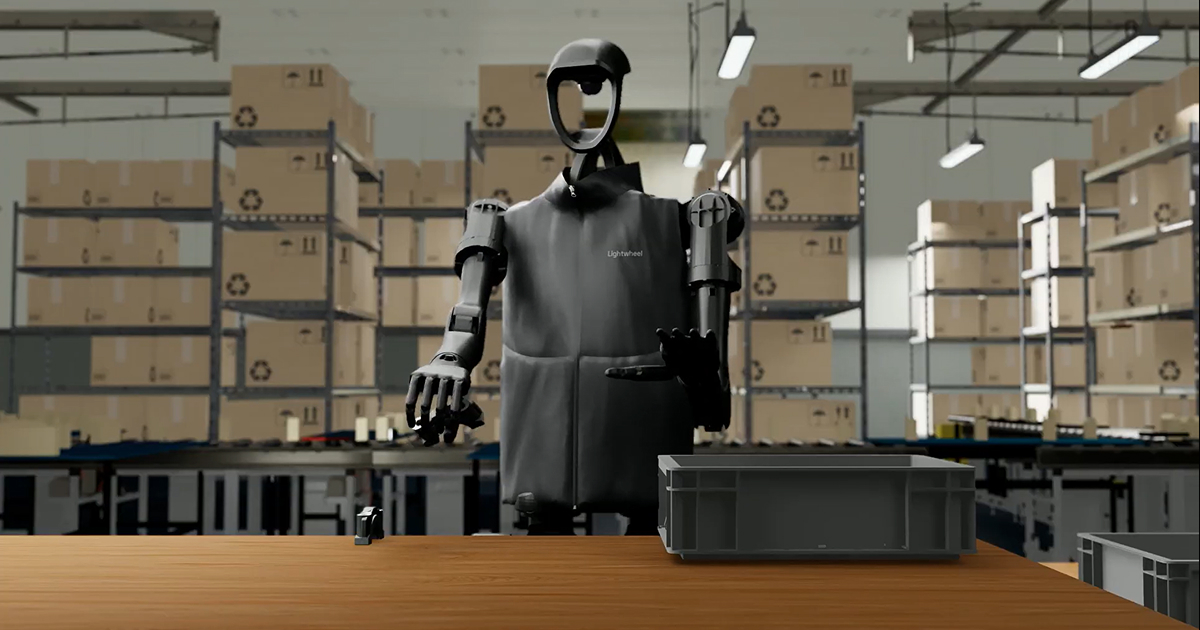
All Robot News
Showing 1–100 of 607 articles
June 26, 2026
-
 Humanoid robots are no longer science fiction. From mechanical design and sensor integration to AI-driven control systems, there are multidisciplinary technologies powering these intelligent machines.Source
 - VC interest in robotics is surging Charts of the Week: https://t.co/qmjdkZzisp https://t.co/7mSdSmKKcmSource
- US factories need to get more efficient, but pricey automation overhauls are out of reach for the small businesses that make up most of the industrial economy.Source
-
 BMW Group intensifies the usage of digitalization and the use of artificial intelligence (AI) in production. With so-called Physical AI, which connects digital AI with real machines and robots, intelligent systems such as humanoid robots can be integrated into real production processes. Following a successful deployment with the humanoid robot Figure 02 at BMW Group […] The post Figure 03 Humanoids at BMW Group Project in Spartanburg appeared first on Humanoid Robotics Technology.LinksSource
 -
 The maker of robotic arms for industrial use is taking advantage of a new opportunity for mainland listings as it expands into the market for embodied AI image credit: Bamboo Works Key Takeaways: DobotLinksSource
 - FieldAI says it has crossed $100 million in revenue and contracts by building software for robots to work in mines, construction sites, and factories.Source
-
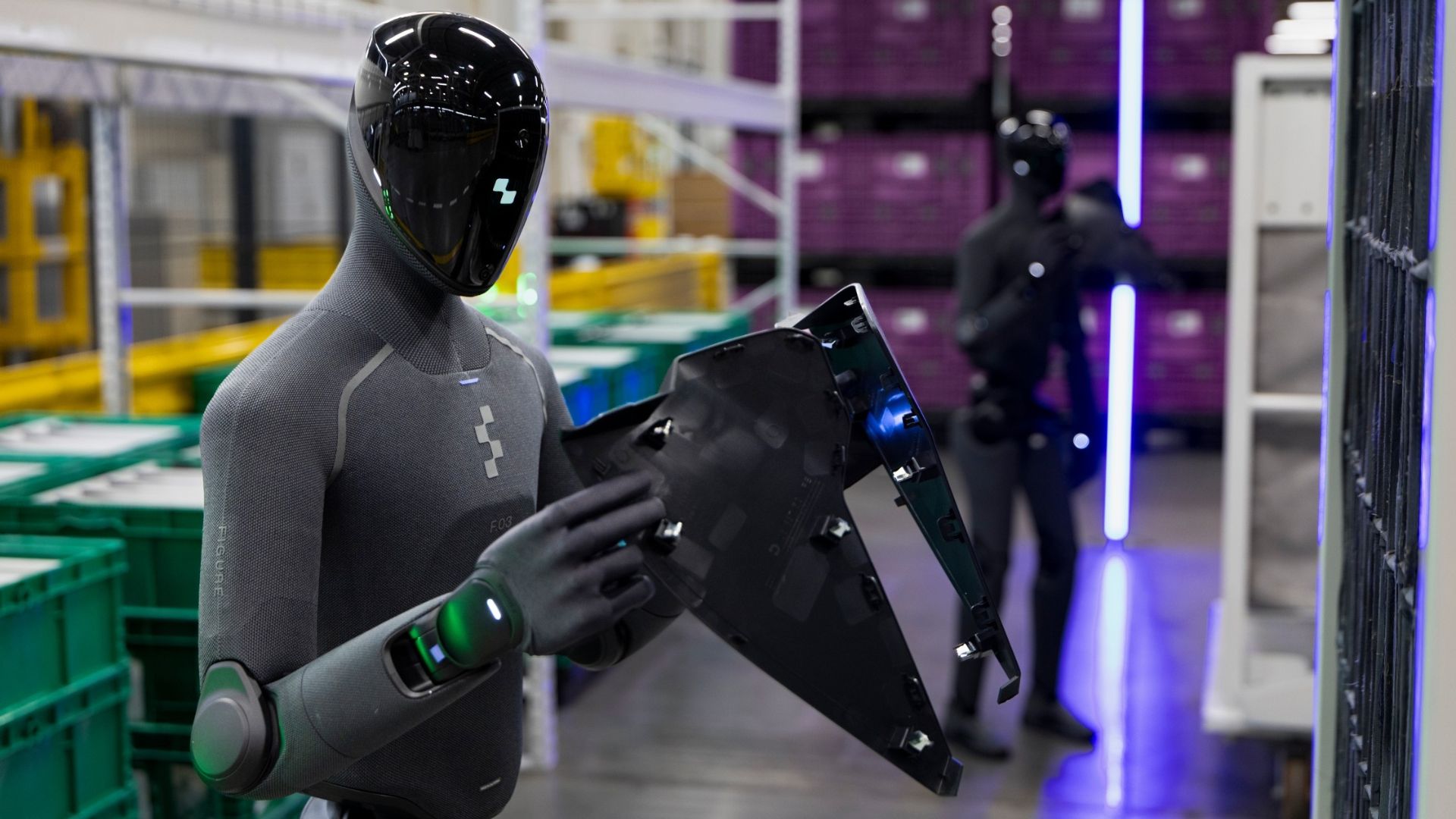 BMW deploys Figure 03 humanoid robot in US production, expanding Physical AI with advanced logistics automation and smart factories.Source
 - MUNICH, June 26, 2026--A vast majority of decision-makers from the German industry considers humanoid robots drivers of future innovation in automation. 82 percent of respondents think that Germany should increase subsidies for humanoid robotics development the way China has. This is a finding of the 2026 automatica Trend Index. The survey was commissioned by automatica and a total of 100 German specialists and executives responsible for taking decisions on the adoption of robotics and automatioSource
-
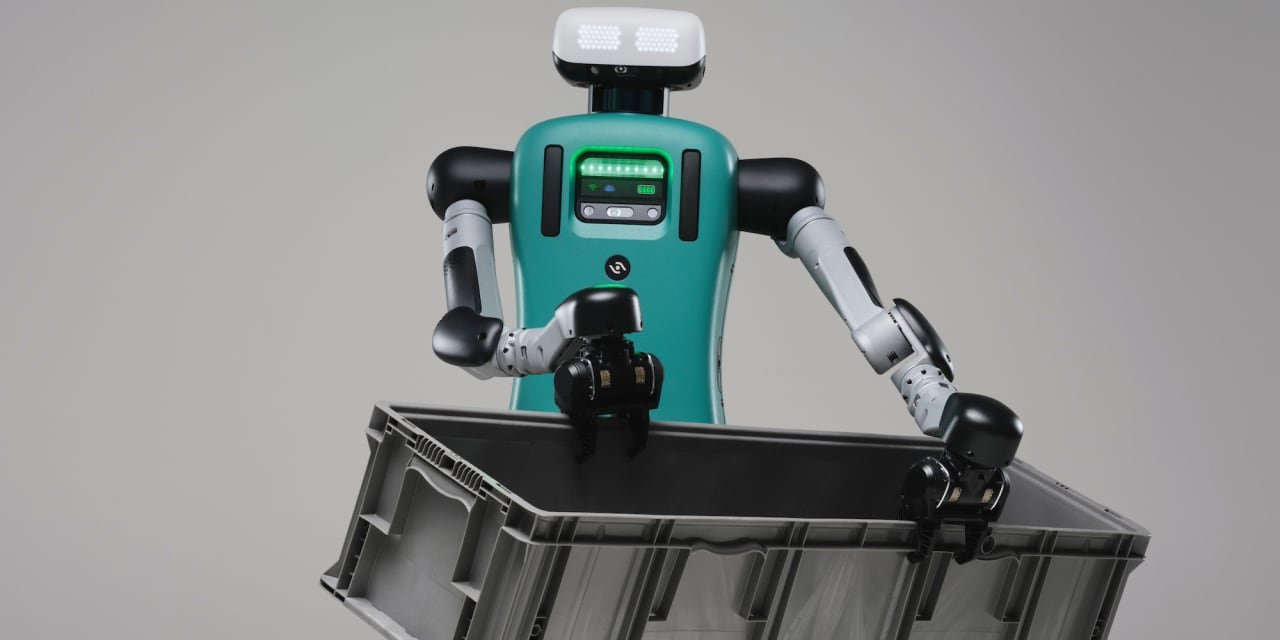 Agility Robotics has agreed to merge with Churchill Capital Corp XI, setting up a possible Nasdaq listing for its Digit humanoid robot business. The post Agility Robotics SPAC deal would take Digit to Nasdaq appeared first on Humanoid.guide.Source

June 25, 2026
-
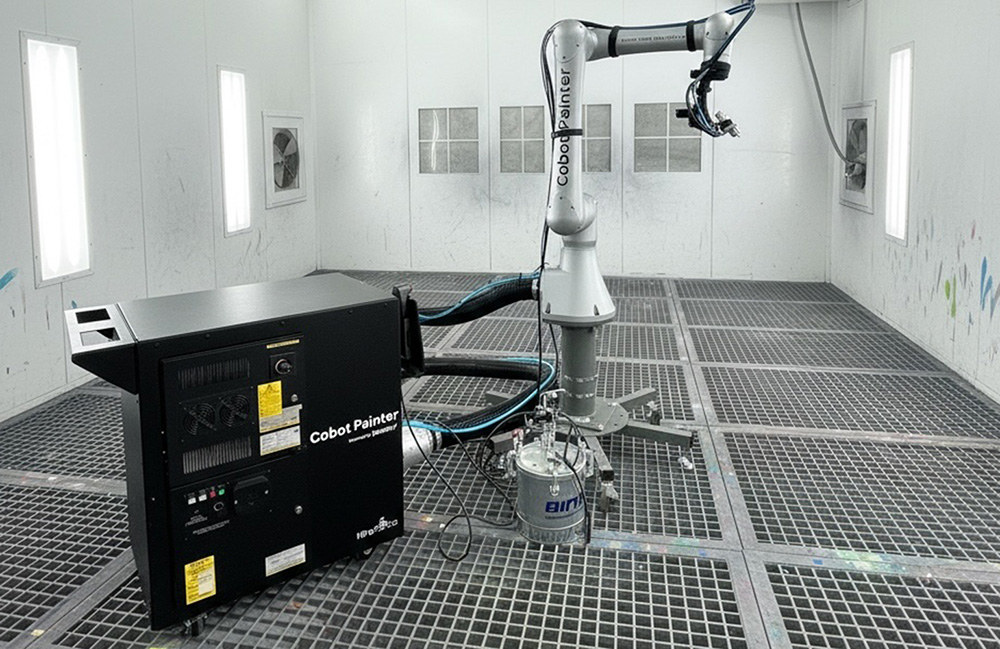 Hirebotics' Cobot Painter supports stationary painting, with parts placed in a paint booth where robots perform all spraying operations. The post Hirebotics offers no-code, explosion-proof cobot for painting appeared first on The Robot Report.Source
 -
 ZUOWEI Technology hosted its “Intelligent Care Beyond Boundaries” global launch in Guilin, officially unveiling two humanoid care robots: Tianshu and Tianji. The launch marks an important step from proof-of-concept to real-world deployment, highlighting the growing role of embodied AI in elderly care. Addressing a Global Caregiving Challenge As populations age worldwide, care providers face an “impossible trinity” of labor shortages, […] The post ZUOWEI Debuts Humanoid Care Robots appeared first on Humanoid Robotics Technology.Source
 -
 Field Dispatch · Automate 2026 · Analysis What the floor was really telling us By Leo Terry · Reporting from McCormick Place, Chicago Humanoid Guide sent Leo Terry to Chicago for three days on the Automate 2026 floor, and he came back with more than a highlight reel. Between the keynotes, the market sessions and... The post Automate 2026 Humanoid Robots: Floor Report & Analysis appeared first on Humanoid.guide.Source
 -
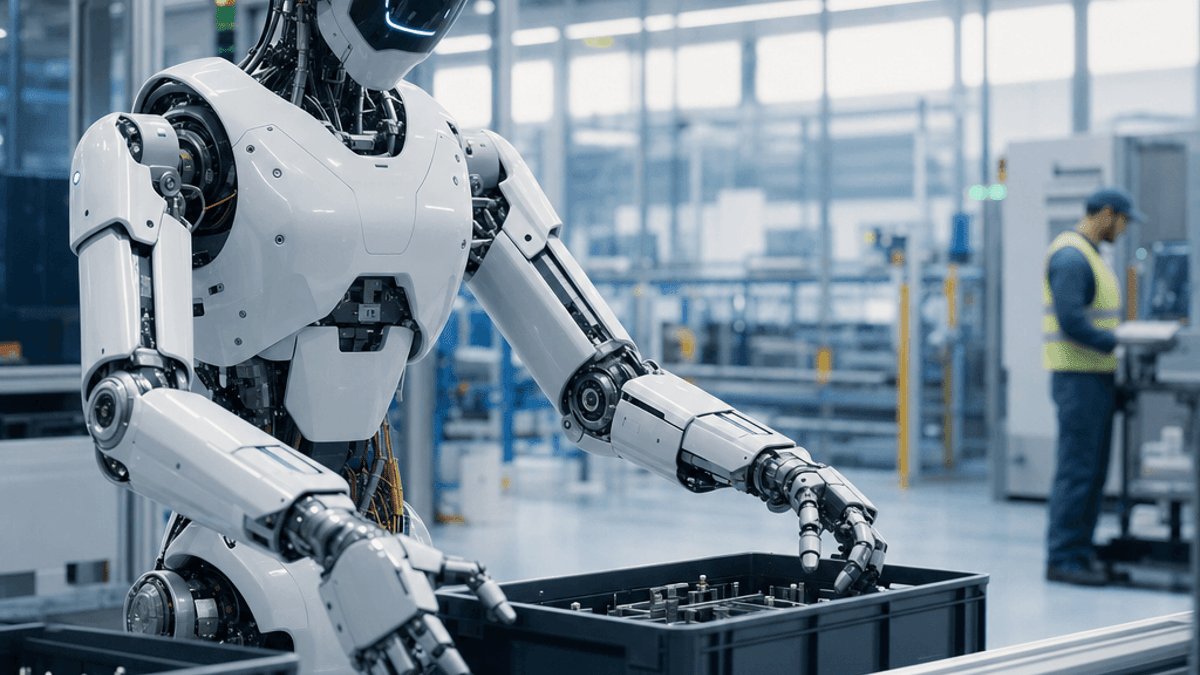 Morgan Stanley has doubled its China humanoid robot shipment outlook, citing faster commercial deployment, though public reporting lacks unit figures. The post Morgan Stanley Doubles China Humanoid Robot Forecast appeared first on Humanoid.guide.Source
 -
 Boston Dynamics has announced plans to transform a 323,000-square-foot facility at 1601 Trapelo Road (Reservoir Place) in Waltham into an advanced robotics and AI centre. The facility is located near the company’s existing headquarters, just across Route 128 and approximately 12 miles outside Boston. The new building will consolidate operations currently housed at three nearby locations and […] The post Boston Dynamics Announces New 323,000 Square Foot Facility to Advance Humanoid Robotics appeared first on Humanoid Robotics Technology.LinksSource
 -
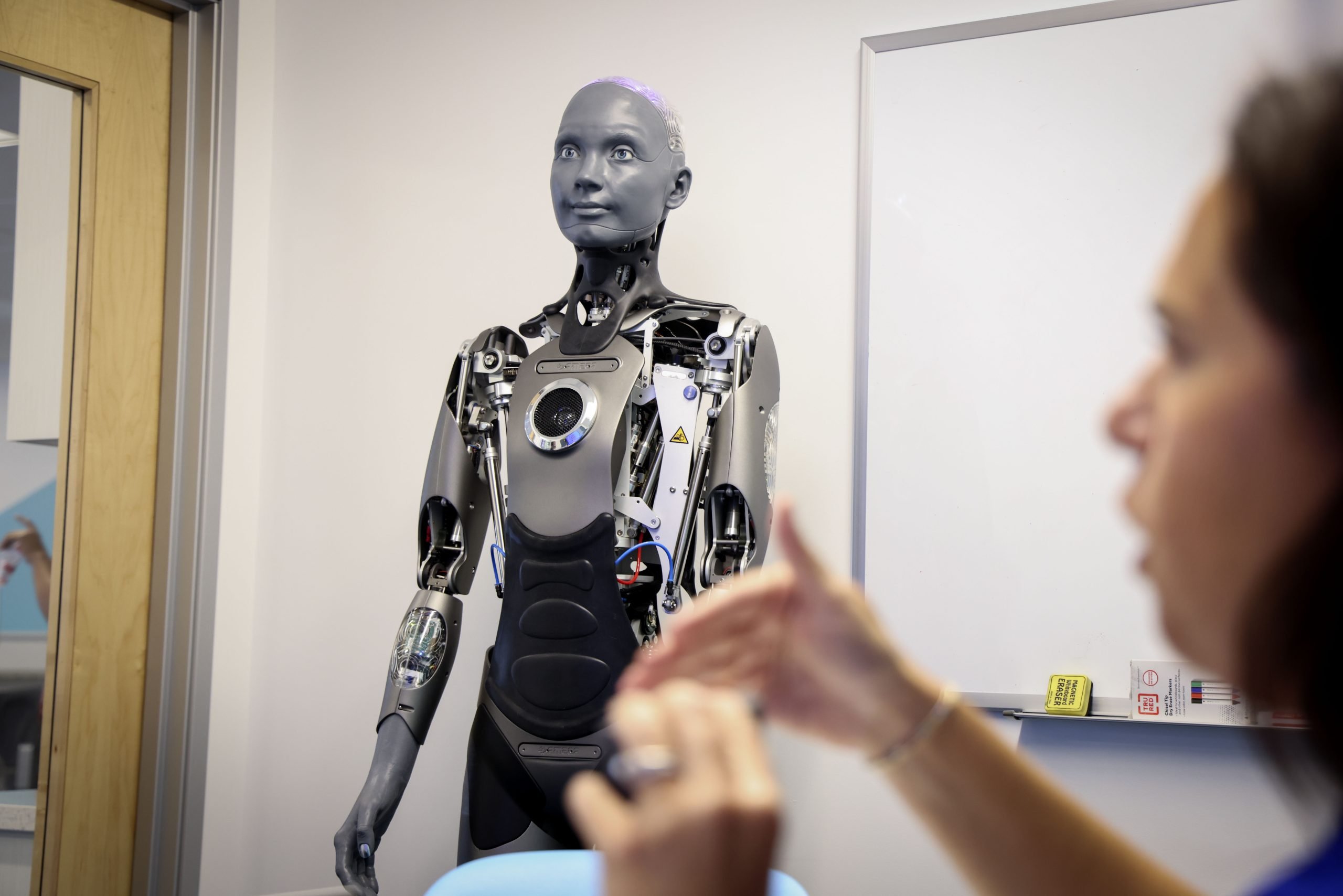 A San Diego charter chain bought two Ameca humanoids for $500,000, but early classroom use shows clunky interaction and safety questions. The post Altus Tests Ameca Humanoid Robots in San Diego School Pilot appeared first on Humanoid.guide.Source
June 24, 2026
-
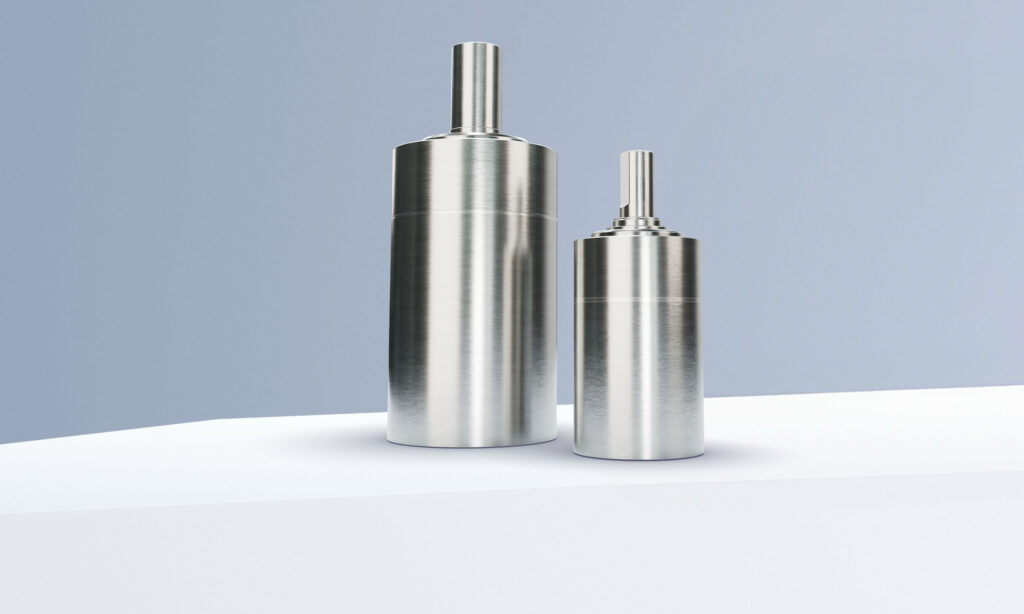 FAULHABER says its new GPT gearheads work with motors in its standard range and provide more performance with a compact design. The post FAULHABER focuses on torque, noise, and power with new GPT gearheads appeared first on The Robot Report.Source
 -
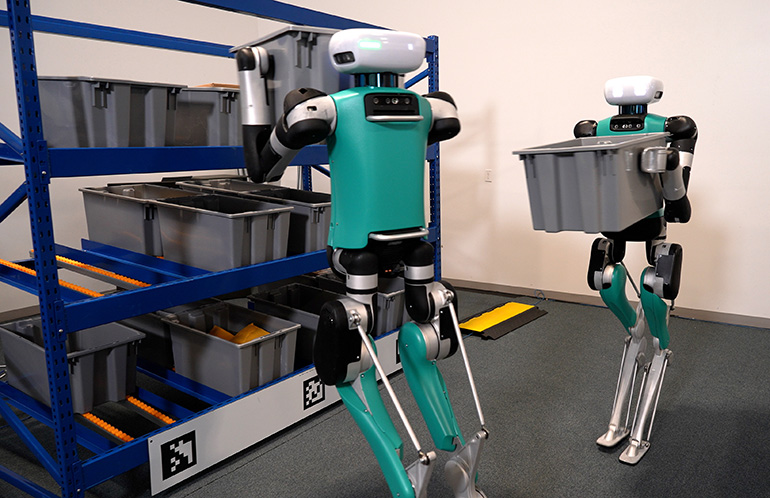 Agility Robotics will merge with Churchill Capital Corp XI, raising $620 million to advance Digit v5 and fulfill growing customer orders. The post Humanoid maker Agility Robotics to go public through SPAC merger appeared first on The Robot Report.LinksSource
 -
 MWC Shanghai opened with HONOR humanoids Flash and Vita Boy, while GSMA tied carrier robotics plans, including AgiBot RaaS work, to 5G-Advanced networks. The post MWC Shanghai puts humanoids at center of 5G-Advanced pitch appeared first on Humanoid.guide.Source
June 23, 2026
-
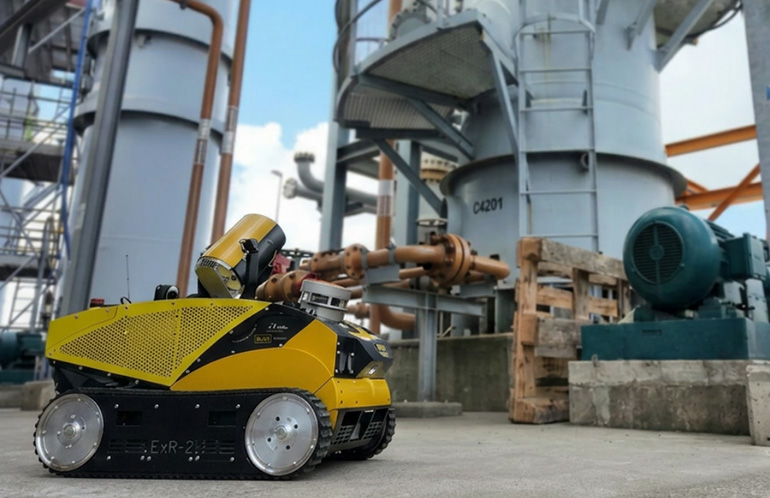 ExRobotics says its ExR-2.5 inspection robot is certified for safe operations in explosive environments in North America. The post ExRobotics launches UL-certified inspection robot for hazardous environments appeared first on The Robot Report.Source
 -
 Vention is working with partners to make design and deployment of industrial and collaborative robots easier for manufacturers. The post Vention collaborates with FANUC and Universal Robots on software-defined automation appeared first on The Robot Report.LinksSource
 -
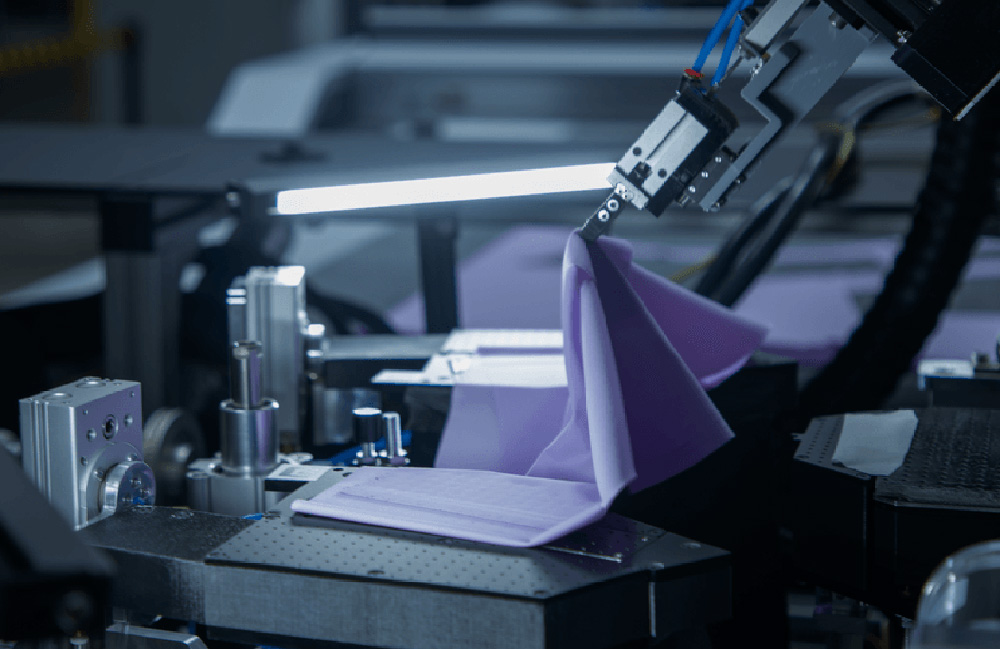 CreateMe said the partnership aims to demonstrate how apparel can be produced faster, more locally, and with greater supply chain resilience. The post CreateMe partners with Avalo and Laguna Fabrics to bring resilience to apparel supply chains appeared first on The Robot Report.Source
 -
 AGIBOT presented its embodied AI robotics portfolio at VivaTech 2026 in Paris. The company conducted live demonstrations across interaction, locomotion, manipulation, and multi-robot coordination. As part of VivaTech’s 10th-anniversary celebration, AGIBOT participated in the public technology showcase on the Champs-Élysées, where visitors experienced humanoid robotics alongside other emerging technologies. At the main VivaTech venue, AGIBOT […] The post AGIBOT Showcases Embodied AI Humanoid Robots appeared first on Humanoid Robotics Technology.LinksSource
 -
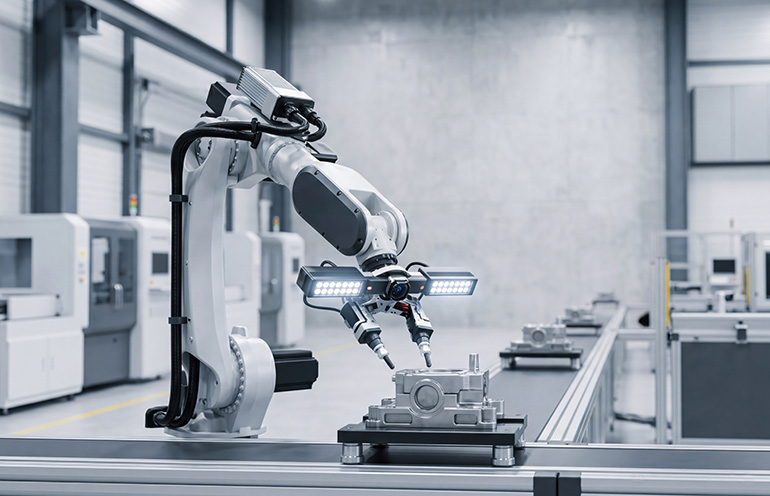 While vision and language are key parts of physical AI, physical state recovery will enable robots to interact with the world, says a columnist. The post Why physical AI 2.0 needs a reality check appeared first on The Robot Report.Source
 -
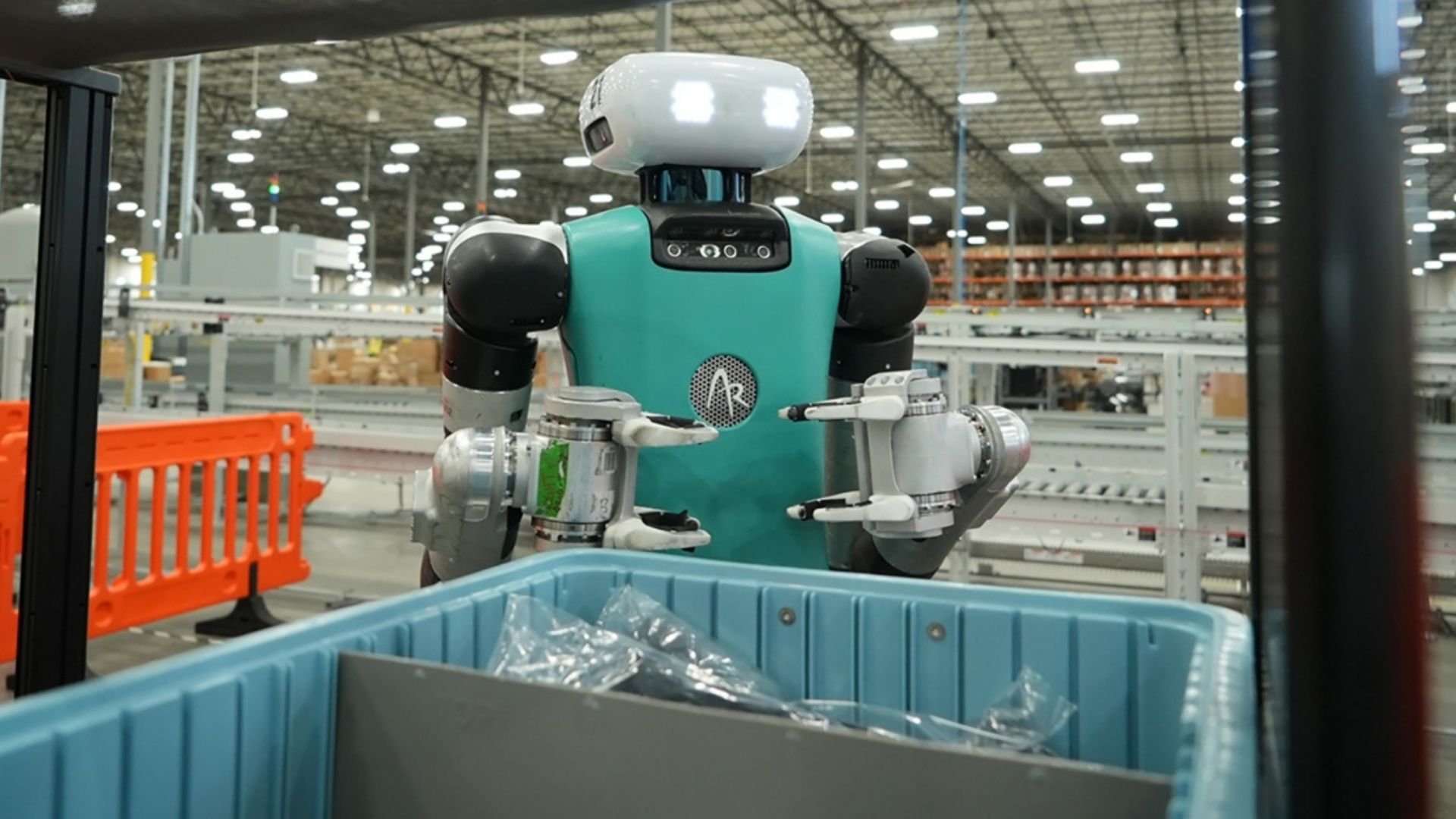 NVIDIA’s Halos for Robotics safety stack will be used by Agility Robotics as part of Digit’s human detection and safety systems. The post NVIDIA Halos safety platform adds Agility Digit as first adopter appeared first on Humanoid.guide.LinksSource
June 22, 2026
-
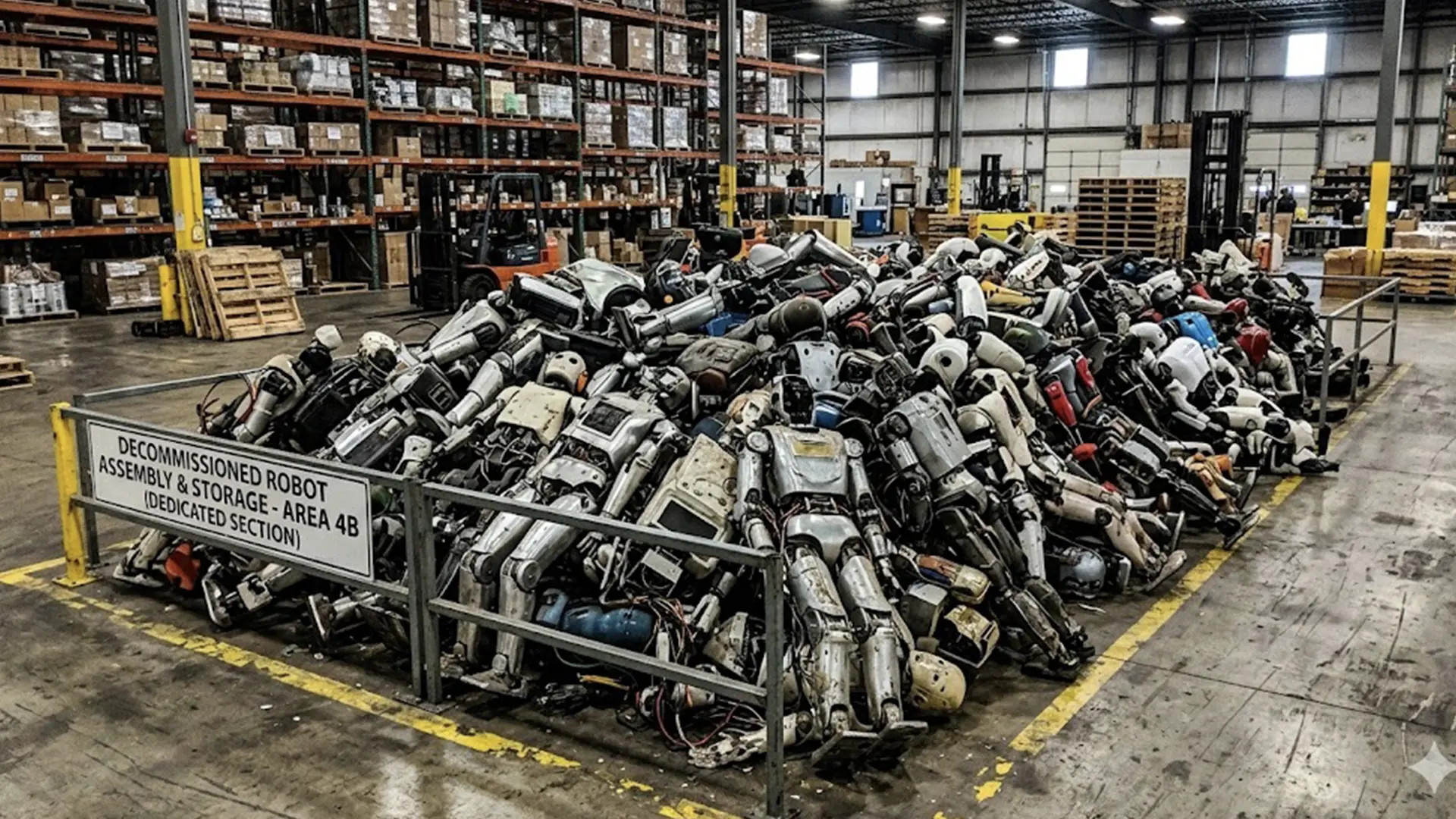 The Humanoid Graveyard – Robotics Recycling | humanoid.guide End of Life · The Circular Humanoid The Humanoid Graveyard with humanoid.guide on what happens after the off-switch Every humanoid rolling off the line today will, one day, be switched off for good. Inside each one sit 10,000 to 15,000 components – rare-earth magnets, live battery packs... The post The Humanoid Graveyard appeared first on Humanoid.guide.Source
June 21, 2026
-
 Today, it’s quite possible to see individual atoms in photographs. It’s one of the great triumphs of imaging. What, then, of the inverse? Can you use a single atom to capture an image? Single atoms are probably not replacing smartphone cameras soon, but an atom can be used to measure light. One research group at the Institute for Molecular Science in Okazaki, Japan, has now used this ability to develop what they call an “atom camera,” which can capture patterns of light far too small to see with standard optical microscopes. More than a physics demonstration, the atom camera could also be an elegant way to see inside certain quantum computers. The atom camera’s creators are also building quantum computers that use neutral atoms as qubits. “We expect the atom camera to serve as a valuable diagnostic tool for this effort in our laboratory, and in other similar efforts worldwide as well,” says Kenji Ohmori, a physicist at the Institute for Molecular Science. Ohmori and colleagues published their work in Nature Communications on 29 May. The quantum photographer’s guide The key component of this atom camera is an optical tweezer, an instrument that traps particles by squeezing them with focused laser beams. The instrument has become a common tool of physicists who handle atoms. A tweezer can catch an atom, then move it around or hold it in place. The researchers chilled a rubidium-87 atom to near absolute zero and immobilized it inside an optical tweezer. The atom camera essentially measures how this atom responds to its environment. As light falls on an atom, it imparts energy onto some of the atom’s electrons. This shifts the energy states of those electrons. By observing these shifts, the researchers could gauge either the light’s intensity or its polarization. They could measure these properties of their tweezer’s light, or they could measure a second pattern of light cast on the atom. These patterns are much larger than a single atom, so how do you turn measureme...Source
June 19, 2026
-
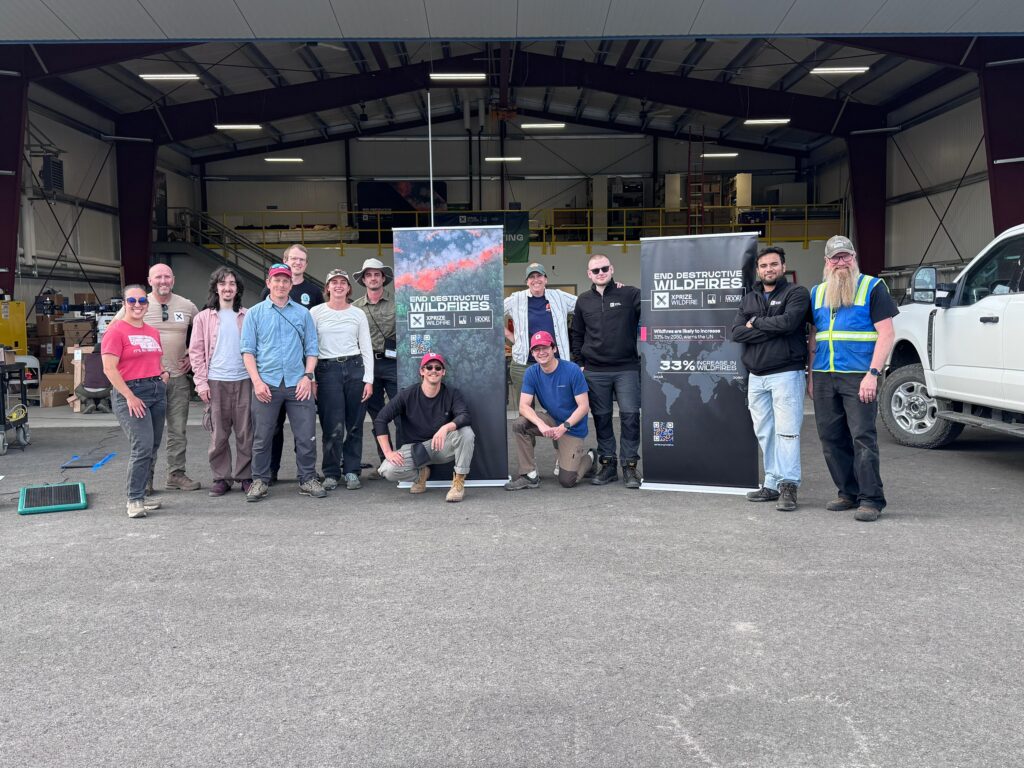 One of only four teams remaining from more than 130 competitors worldwide, our team AURA Foresight is developing autonomous technology to stop wildfires before they grow out of control. AURA Foresight has been selected as a finalist in the prestigious XPRIZE Wildfire Autonomous Wildfire Response competition, emerging as one of just four teams remaining from […]Source
 -
 Video Friday is your weekly selection of awesome robotics videos, collected by your friends at IEEE Spectrum robotics. We also post a weekly calendar of upcoming robotics events for the next few months. Please send us your events for inclusion. RSS 2026: 13–17 July 2026, SYDNEY Summer School on Multi-Robot Systems: 29 July–4 August 2026, PRAGUE Actuate 2026: 18–19 August 2026, SAN FRANCISCO IROS 2026: 27 September–1 October 2026, PITTSBURGH Enjoy today’s videos! Eno is our first agentic robot: an AI agent and a general-purpose robot working as one system. It reasons, plans, and acts in the real world. Human in capability, not in form. Every detail with a purpose, reduced to what matters. Designed not to resemble us, but to extend us. Eno is built end to end at Genesis. [ Genesis ] Engineers from NASA’s Jet Propulsion Laboratory are field-testing advanced capabilities for potential future Moon and Mars rovers. In the Colorado Desert near Plaster City, California, teams used a prototype rover called ERNEST (Exploration Rover for Navigating Extreme Sloped Terrain) to test software for a potential future long-range lunar mission. The software enables the rover, developed at JPL, to operate autonomously and travel extreme distances with minimal intervention from human operators. ERNEST is a lot more capable than it may look; here’s some recent research showing the kinds of terrain it can handle: [ NASA's Jet Propulsion Lab ] Table tennis can produce moments that are difficult even for experienced players to anticipate…like when the ball clips the net and suddenly changes direction. For the Ace research project at Sony AI, these events were a key test of the system’s ability to operate reliably in unpredictable real-world conditions. Ace addresses this uncertainty by simulating counterfactual ball trajectories in real time. In the video, the green overlays show these alternative paths the system considers while planning its response. And check out some of these rallies...Source
 -
 NEURA Robotics will exhibit at Automate 2026, North America’s largest automation and robotics trade show, taking place June 22-25 at McCormick Place in Chicago. NEURA will occupy a twin island booth featuring live demos across its full industrial robot portfolio, from collaborative robots (cobots) and mobile autonomous transports to humanoids, all connected through the Neuraverse […] The post NEURA Robotics Will Showcase Full-Stack Robotics Platform at Automate 2026 appeared first on Humanoid Robotics Technology.LinksSource
June 18, 2026
-
 A new nanopatterned structure based on subwavelength physics has proved its value in a real-world setting, and it could qualify for use in outer space. The device, integrated with one of the world’s most advanced solar observatories, captured pictures of the Sun’s magnetic field in a new, advantageous way: via a single snapshot with no moving parts. The demonstration, published 10 June in Science Advances, offers a promising tool for astronomy, consumer electronics, quantum optics, and other applications that involve measuring polarized light. The structure is based on an optical metasurface, which refers to a patterned array engineered at subwavelength scales to manipulate the diffraction of the wavefront. That’s not unlike classical diffraction gratings, whose periodic etchings split light into different colors and directions. But metasurfaces offer another advance: They can split light into its polarized components. Researchers in the lab of Noah Rubin, professor of electrical and computer engineering at the University of California, San Diego, created the device. “What’s special about metasurfaces is you can design an array of elements that respond in one way to this polarization and in another way to that polarization,” says Rubin. “This is a capability that’s only fully emerged in recent years.” Now the metasurface is poised to “leave the lab and go into a serious piece of scientific instrumentation, possibly for one of the first times,” he says. Integrating the component with the Dunn Solar Telescope at the National Solar Observatory in Sunspot, N.M., showed that it could perform key measurements that today normally rely on complex rotating components—an advance that may one day send it on a space mission. Polarized Light Reveals Space Weather Studying our sun is fundamental for predicting space weather and the coronal mass ejections that influence life on Earth. The key to these dynamics is magnetism, which we can detect from afar with polarized light. Al...Source
 -
 By mimicking how the brain operates, neuromorphic computing can use dramatically less energy than conventional electronic AI chips. However, even the most sophisticated neuromorphic devices today are still quite simple, using only a small fraction of the number of connections found in human neurons. Now, a new study suggests that by using sound waves, neuromorphic devices can better mimic biological neurons and operate faster and with greater energy efficiency than their electronic counterparts. “This could make future neuromorphic hardware more compact, more parallel, and more efficient for tasks that require combining many features, such as pattern recognition, sensory processing, and data analysis,” says Xiaodong Yan, an assistant professor of materials science and engineering and electrical and computer engineering at the University of Arizona in Tucson. Just as brains use synapses—the links connecting neurons—to help them both compute and store data, neuromorphic devices often combine both operations. Doing so can reduce the energy and time needed for conventional microchips to shuttle data between processors and memory. Each human neuron may have thousands of synapses connecting them with other cells; one kind of neuron found in the cerebellum, the Purkinje cell, may have as many as 100,000 synapses. This extraordinary level of connectivity lets each human neuron “combine different pieces of information, compare them, and respond depending on the context,” Yan says. In contrast, most conventional neuromorphic devices are essentially “one artificial synapse,” Yan says. Building an artificial neuron with as many synapses as a human neuron would require wiring many separate devices together. “This increases wiring, energy cost, and hardware complexity,” Yan says. Using Quantum-Like Tricks Enables Parallel Computing Recently, scientists have developed acoustic devices in which sound waves can encode multiple values in its waves phase. These phase bits, or phi-b...Source
 -
 Last fall, Modos debuted the Paper Monitor and Dev Kit, an open-source e-paper display kit that hit a record 75-hertz refresh rate. The project was successful, raising almost double its US $110,000 goal. Now the two-person startup is back fundraising for Modos Flow, a 13.3-inch color e-paper monitor with a higher native resolution of 3,200 x 2,400, touch input, and a 60-Hz refresh rate, which is made possible by a new display controller called Enchanter. With the Flow’s crowdfunding campaign now live on Crowd Supply, cofounders Alexander Soto and Wenting Zhang spoke with IEEE Spectrum about the engineering behind it and the lessons they’ve learned on their crowdfunding journey. This conversation has been edited and condensed for clarity. What is the Modos Flow, and how does it improve on the Paper Monitor Dev Kit? Wenting Zhang: The previous Paper Dev Kit is a DIY kit. You get the screen and the board, but nothing else. You add your own shell or embed it in another project. A lot of people connect it to a Raspberry Pi, for example. The Modos Flow is a complete monitor. The only port is USB Type-C, so you’re supposed to connect it to a laptop or PC. The Flow’s higher resolution is enabled by a new open-source display controller board called Enchanter. What’s changed? Zhang: The new board has a larger, newer FPGA [field-programmable gate array], has double the DDR3 memory bandwidth, and a power supply that delivers higher currents for the more power-hungry screen. But mostly, it’s about the display input. The input decoder chip is a Chrontel CH7516 DisplayPort-to-LVDS converter. It supports DisplayPort 1.1 rather than 1.0, enabling higher resolutions. We want the whole thing open source, so all our parts need to have open documentation with nothing gated behind an NDA [non-disclosure agreement]. This chip wasn’t available when we launched the Paper Dev Kit campaign, so we had no way to support DisplayPort 1.1 while keeping things open. The new chip made DisplayPort...Source
June 15, 2026
-
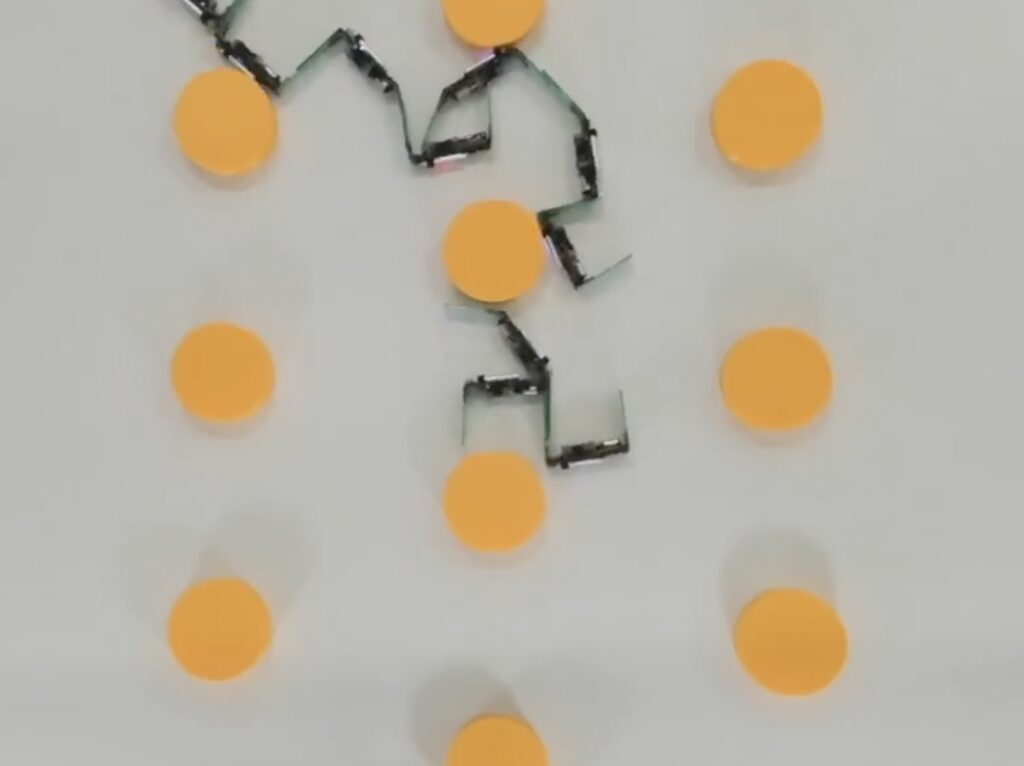 By Syl Kacapyr Cornell engineers have developed a robotic collective that behaves less like a machine and more like a material that flows, reshapes and adapts to its environment without centralized control. The system, called the Cross-Link Collective, consists of dozens of small robots that have limited mobility individually, but together exhibit coordinated and sustained […]Source
June 14, 2026
-
 There’s bad news to report on the clear skies front. A new paper, available as a preprint on arXiv from researchers at NASA’s Ames Research Center in California, reports that 73.3 percent of images the agency’s new SPHEREx space telescope collected between May and September of last year were contaminated by at least one artificial satellite trail. And it’s only going to get worse from here. Unfortunately this doesn’t come as a surprise. SPHEREx (short for the Spectro-Photometer for the History of the Universe, Epoch of Reionization, and Ices Explorer) was designed to map the entire sky in near-infrared light. That means it would require long exposure times and cover a very large chunk of the visible sky at any one time. Both requirements are a recipe for interruption from orbiting satellites. Typically this type of light pollution is primarily associated with ground telescopes. But SPHEREx is an orbital satellite about 700 kilometers above the Earth’s surface. Apparently even that wasn’t enough to escape from the light trails. On average there were 2.18 trails per exposure, most of which are concentrated in an “X” pattern that mimics the orbital paths of the satellite megaconstellations. There appears to be no easy way to handle this interruption, either. SPHEREx uses an automated “sample up-the-ramp” algorithm to protect itself from stray cosmic rays. When a sudden energy blast from one of those rays hits a pixel, the system halts data collection on that pixel to prevent saturation. But commercial satellites are now so bright that they are triggering this system without the help of any stray cosmic rays. Satellite Trails Ruin SPHEREx Images The resultant images have what the authors describe as “railroad” tracks, where the blinding center of the trail is scrubbed out but parallel lines running alongside it are permanently etched into the science imagery. As a result, the images lose the photometric data of anything hidden beneath the rails. As if that news wasn’...Source
June 13, 2026
-
 This article is part of our exclusive IEEE Journal Watch series in partnership with IEEE Xplore. As robots advance in terms of dexterity and other physical capabilities, it becomes more likely that humans may find themselves working alongside them. If that happens, how will robots’ emotional capabilities need to advance for them to successfully work with people? In a recent study, researchers trained collaborative robots to read human emotions by not only accounting for facial expressions, but also contextual factors in the interactions as well. Through experiments with 40 volunteers, the researchers then evaluated how a robot’s ability to read human emotions and adjust its behavior in turn impacted a human’s perception of the robot and its capabilities as the two collaborated on tasks. The results—which show that the emotional capabilities of robots only go so far with humans—were published 18 May in IEEE Robotics and Automation Letters. Seung Chan Hong led the study as part of his undergraduate thesis while studying at Monash University, in Melbourne, Australia. He notes that, while there has been a lot of hype in the advancing physical abilities of robots, this is only one piece of the puzzle. “We need to also innovate when it comes to them actually interacting with humans, not just their physical capabilities,” he says. This prompted him to dig deeper into the emotional aspects of human-robot interactions. First, Hong and his co-authors decided to train a robot to read human emotions using a vision language model (VLM), which is similar to large language models (LLMs) such as ChatGPT, but which can also take visual inputs. Training VLMs for Human Emotion Recognition To evaluate their VLM, which used Gemini 2.5, the researchers had volunteers watch videos of robots handing over objects to humans—with varying degrees of success—and describe the emotions the humans were expressing. Importantly, the volunteers labeling these videos were able to take into account ...Source
June 12, 2026
-
 Video Friday is your weekly selection of awesome robotics videos, collected by your friends at IEEE Spectrum robotics. We also post a weekly calendar of upcoming robotics events for the next few months. Please send us your events for inclusion. RSS 2026: 13–17 July 2026, SYDNEY Summer School on Multi-Robot Systems: 29 July–4 August 2026, PRAGUE Actuate 2026: 18–19 August 2026, SAN FRANCISCO Enjoy today’s videos! We present MotionDisco, a framework that discovers contact-rich, long-horizon humanoid loco-manipulation motions from scratch, without relying on teleoperation or motion retargeting from human demonstrations. Some of the discovered behaviors are a little nutso: [ MotionDisco ] Not sure I’d say any of this is ‘effortless’ but those claws are pretty cute. [ Deep Robotics ] It turns out running a workout class is a decent way to stress-test whole-body range of motion. Coordinating fluid movement across every joint at once—timing, velocity, balance compensation—is one of the harder control problems in humanoid robotics. [ Agility ] Our very own Gwendolyn Rak made a robotic shoulder-friend at Computer Human Interaction in Barcelona. Here’s a bit more about it: [ MIT ] At AIRoA, we’re bringing robots into real homes. Check out our exclusive first video to see how they work in our development hub and real-life household settings! The project aims to develop home robots that can assist people with everyday tasks and become long-term companions in daily life. In this video, we demonstrate Toyota’s Human Support Robot (HSR) deployed in real homes, where it assists residents with everyday tasks such as tidying rooms and fetching objects. [ AI Robot Association ] Thanks, Naoaki! MIDAS Hand is a fully open-source, tactile-sensor-integrated dexterous robotic hand platform for manipulation, teleoperation, and robot learning research. MIDAS stands for Modular low-Impedance Direct-drive Anthropomorphic Sensing Hand. [ MIDAS Hand ] Thanks, Jun Kim! This video presents a no...Source
 -
 Claire chatted to Edward Mehr from Machina Labs about their RoboCraftsman that shapes complex metal parts for the aerospace, defence, and automotive industries. Edward Mehr is an entrepreneur and engineer specializing in advanced manufacturing, robotics, and artificial intelligence. As the Co-Founder and CEO of Machina Labs, he leads efforts to integrate AI-driven robotics into flexible, […]Source
June 11, 2026
-
 For more than a decade, artificial intelligence has been touted as a way to dramatically accelerate drug discovery. Yet despite billions of dollars in investment, relatively few AI-designed medicines have made it to patients. That’s partially because the timelines for careful drug testing can’t be easily compressed—and partially because drug development is just really hard. Isomorphic Labs, the Google DeepMind spin-off that’s building on DeepMind’s Nobel Prize-winning work on protein structure prediction, may be making the most progress. The company has signed major drug-discovery partnerships with Novartis and Eli Lilly and recently raised US $2.1 billion in funding. In February, it published a technical report describing its new Isomorphic Drug Design Engine, a system created to discover the “pockets” on proteins where drugs can bind and in general to predict how proteins and drug molecules interact. IEEE Spectrum spoke with Adrian Stecuła, a group leader in the machine learning organization at Isomorphic Labs, about how close AI may be to becoming a practical tool for designing new medicines. Going Beyond AlphaFold AlphaFold2 and AlphaFold3 were massive leaps forward for computational biology. Why weren’t those models sufficient for actually designing drugs? Adrian Stecuła: AlphaFold2 was eventually recognized with the Nobel Prize, because it arguably solved the problem of protein folding. But proteins don’t exist in a vacuum, right? They interact with a wide variety of other types of biomolecules, which involves nucleic acids, small molecule ligands, ions, and other proteins. AlphaFold3 introduced a way to model the rest of these cellular biomolecules as part of a single framework. So all of a sudden, we have a single model that can model all of these interactions all at the same time. That said, in the years since the AF3 release, multiple groups have evaluated it along the axis of pocket novelty. And you could see that as the pocket distance grows away from...Source
June 10, 2026
-
 With the reliability of a quality wristwatch, pacemakers send out electric pulses to keep your heart beating at a steady rate. But unlike a watch, when the batteries need replacement, it’s a surgical affair—one that can be required as often as every five years. While the risks of having a pacemaker implanted are low, going under the knife always creates the potential for complications. A group of California and Massachusetts scientists have developed a pacemaker that works without requiring surgery, publishing their work last week in Nature Biomedical Engineering. Researchers developed a wearable alternative to the traditional pacemaker measuring in at about the size of an iPod Shuffle. The device sticks to the patient’s chest, putting out ultrasound waves that tell the heart to beat. But the ultrasound technology is only one component of what makes the noninvasive pacemaker work. Patients would undergo a gene therapy procedure to help heart cells react to the high frequency waves. Delivered by a simple injection, the treatment would work like a signal booster for the waves of the ultrasound device. The approach has proved effective in rats, pig hearts—used for their similarity to human hearts—and samples of human heart cells. “This is a very innovative and exciting study,” says Dr. Roger J. Hajjar, who heads the Gene and Cell Therapy Institute at Mass General Brigham and was not involved in the work. In terms of demonstrating that the technology could be safe and effective, he says, “the work is impressive.” How an ultrasound pacemaker would work for patients In a clinical setting, treatment would begin with a gene therapy injection that helps heart cells “hear” the ultrasound signals. It works by prompting the cells to produce a sound-sensitive protein in the ion channels that dot their membranes. The broad term for this type of therapy is “sonogenetics”—priming cells to respond to sound. It’s the same idea as a type of gene therapy that makes cells react to li...Source
 -
 OpenAI’s fourth large language model (LLM), GPT-4, took an estimated 50 gigawatt-hours to train, or the equivalent of 5,000 American homes’ yearly power consumption. That was in 2023. Since then, the computational resources used to train frontier LLMs have only increased, though direct power usage numbers are hard to come by. Now, a research group at the University of Twente in the Netherlands has shown that you can save up to 14 percent of the energy used in LLM training without sacrificing speed by cleverly adjusting the clock frequency of the GPU during computation. Jeffrey Spaan, Ph.D. candidate at University of Twente and lead author on the article, presented the results at the Computing Frontiers conference in Catania, Sicily, last month. “My research is about finding computing waste,” Spaan says. “It’s similar to underutilization of the hardware, but instead of optimizing the software for the hardware, we try to optimize the hardware for the software.” Making the GPU tick Spaan and his collaborators accomplished this by using a technique known as dynamic voltage and frequency scaling (DVFS). Every chip—including the GPUs commonly used for training frontier models—uses at least one clock to orchestrate computations. Each operation in the chip is triggered by a clock pulse. The frequency with which that clock ticks controls how fast the chip operates and how much power it draws. Modern GPUs have two clocks, one for the computational core and one for the memory. When the core is hard at work crunching numbers, the clock frequency is kept high to ensure speedy calculation. However, with DVFS, the memory clock can slow down in that time, allowing for less power draw. In principle, it’s possible to just turn off the memory part of the chip, but GPUs designs don’t enable software control for that off switch, and it would take too long to turn back on mid-calculation anyway. Similarly, when the core is waiting for data to be loaded from memory, the core clocking f...Source
June 9, 2026
-
 Tracking how fast glaciers are shrinking is crucial for measuring the pace of climate change and projecting future sea level rises. This is normally a painstaking manual job, but a new approach that enables AI to analyze satellite images of glaciers anywhere in the world could help automate the monitoring process. Glaciers that flow directly into the ocean play a crucial role in the earth’s climate, but global warming is making them retreat ever faster. This can have severe knock-on effects as ice that breaks away from “calving fronts”—the ends of glaciers where icebergs shear off into the water—dumps massive amounts of freshwater into the sea, which can alter ocean currents and cause sea levels to rise. Bright white glaciers also reflect a lot of sunlight. When they shrink, they expose dark seawater that absorbs heat from the sun. All of this means that tracking glacier loss is critical for understanding how both local and global climate conditions will change over time. But the number of glaciers that need to be monitored around the world far outstrips the capacity of human analysts. There is hope that AI-based image analysis could help plug the gap, but previous models have performed poorly on regions not included in their training data. This severely limits the applicability of the approach, given how difficult it is to collect manually-labeled images. Now, a paper accepted to the IEEE International Conference on Image Processing (ICIP) shows that a leading deep learning model for tracing glacier calving fronts can be adapted to new locations with minimal additional data. Researchers from the Friedrich-Alexander University of Erlangen–Nuremberg (FAU), in Germany, showed that the model’s error—the average distance between the modeled boundary and the real one—was cut from more than a kilometer to less than 70 meters by providing three pieces of information: one hand-labeled image per glacier, unlabeled summer reference images, and a map of the underlying rock....Source
 -
 Thirteen years ago last August, I was camped out in NASA’s Jet Propulsion Laboratory press room in Pasadena, Calif., waiting to see whether the Curiosity rover would survive its descent and skycrane-assisted landing on the surface of Mars. It did, and it was awesome. Since then, Curiosity (also known as Mars Science Laboratory) has traveled nearly 37 kilometers, drilled into and sampled 42 different rocks, and as of publication has snapped nearly 763,000 photos. The fact that this robot is still hard at work, getting real science done at the age of 13, is absolutely incredible—not only is Mars an actively hostile environment for robots, but the only kind of maintenance that JPL engineers can do is to send very, very careful software updates. Nevertheless, the clever folks at JPL have managed to keep Curiosity safe, warm, mobile, and sciencing, despite well-worn wheels and less and less power every day. One of those folks is Alexandra Holloway, the assistant team chief for engineering operations for Curiosity, who spoke to IEEE Spectrum about keeping Curiosity roving, what its future looks like, and how JPL has used that experience to make rovers like Perseverance even more capable. How astonished should we be that after 13 years on Mars, Curiosity is not only still doing science, but actually getting more capable? Alexandra Holloway is the assistant team chief for engineering operations on the Curiosity Mars rover at the Jet Propulsion Laboratory.Alexandra Holloway Alexandra Holloway: I’m astonished! The longevity comes from a lot of ongoing work. It’s not just that Curiosity was built robustly; it’s also because we’re continuously putting in effort to ensure it can continue to have that lifespan. I think about all the different kinds of embedded systems there are, from cars to refrigerators, and none of them have the kind of longevity that we have with the rover. It’s mind-boggling, and it’s inspiring. Is the Perseverance rover, which is nine years younger than ...Source
 -
 Modern operating systems are packed with defenses against security vulnerabilities. But what if those defenses could be removed? Doing so would offer a clear view of the chip running the OS. It would also expose hardware vulnerabilities the OS normally obscures. A new hand-coded OS, Fractal, provides that clear view. Built from scratch by researchers at MIT’s Computer Science and Artificial Intelligence Laboratory (CSAIL), Fractal is designed to probe the architecture of the chip that runs it. To prove that point, the OS, presented in May at the 2026 IEEE Symposium on Security and Privacy in San Francisco, was used to uncover a previously unknown vulnerability in Apple’s M1 chip. Joseph Ravichandran, the CSAIL Ph.D. student who programmed Fractal, says the OS was inspired by obstacles faced while researching Pacman, an Arm CPU vulnerability disclosed in 2022. “We paved the way with techniques such as custom kernel patches and kernel extensions,” Ravichandran explains—but these were only a partial solution. “The dream was always to have a completely custom operating system which would make these hacks unnecessary.” Probing Chip Data Storage & Movement Researchers exploring hardware vulnerabilities need to know exactly how data is stored and moved across a chip. They deduce this by coding tests that provoke desired behavior from a chip and then analyzing the results to reconstruct how the chip executed the code. However, a conventional OS like Windows or MacOS will have defenses and features that obfuscate code execution and memory management. “I’ve built a number of lab exercises for our secure hardware design course,” Ravichandran says. “Seeing the struggles that students go through, and living those struggles myself in my research, I realized there just has to be a better way.” Fractal is the obvious solution to the problem. Instead of patching or exploiting a conventional OS, Fractal entirely replaces a device’s original OS with a customized alternative focused...Source
June 8, 2026
-
 With an improbable 850 kilowatts (1,140 horsepower), and a digitized launch from 0 to 100 kilometers per hour in a cerebellum-squeezing 2.5 seconds, the 2027 Porsche Cayenne Coupe Electric defies any traditional notion of an SUV. It’s the most powerful Porsche production car in history, thanks in part to DNA from Porsche’s championship Formula E racers. Automakers are notorious for using poetic license to draw tenuous connections between their racing cars and street cars. In this case, though, Porsche can draw legitimate links between their racers and their first-ever electric Cayenne. Exhibit “A” is the new Cayenne’s oil cooling of its rear electric motor, a direct transfer from its 99X racers. Another high-tech hand-me-down is its robust, 600-kilowatt braking-regeneration system, inherited from both the Formula E cars and Porsche’s Cayman GT4 ePerformance test car. “Formula E is our development lab for the electromobility of tomorrow,” said Michael Steiner, Porsche’s management board member for R&D, at the Cayenne’s unveiling last year. “The Cayenne Electric shows how quickly such a technology transfer takes place at Porsche.” I got to experience these innovations this past May during a scenery-blurring test drive south of Munich. I was especially impressed by the motor’s ability to halt this nearly 2,700-kilogram SUV from speeds as high as its electronically limited 261-km/h maximum (which, by the way, the Cayenne had no trouble reaching during my drive on unrestricted portions of the autobahn). That kind of power in stopping and energy recuperation traces to the race cars and their efficient thermal management. Push harder on the physical brake pedal, and the Porsche transitions from pure regenerative braking through its electric motor to activate its powerful friction brakes. For most drivers, those friction brakes won’t get much use, though: The Cayenne makes about 97 percent of its stops in typical driving using regenerative brakes alone, Porsche says. Tho...Source
 -
 The moon’s south pole is home to permanently shadowed craters, and now researchers are proposing that they could be home to incredibly stable lasers that could one day serve as a lunar time standard. Although currently only a proposal, such a time standard would synchronize activity on the moon and beyond, as well as enable GPS-like navigation for spacecraft in lunar orbit and rovers on the surface. There are many reasons the moon is an ideal location for a stable laser, says Jun Ye, a fellow at JILA (formerly known as the Joint Institute for Laboratory Astrophysics), a joint research institute between the University of Colorado Boulder and the National Institute of Standards and Technology (NIST). The moon is not tectonically active, and therefore there are fewer vibrations to jostle a laser compared to Earth. It also lacks an atmosphere that could disturb a laser’s mirrors. Lunar craters that never receive direct sunlight offer additional advantages. Ranked among the darkest and coldest places in the solar system, the frigid temperatures of about 50 kelvin at these permanently shadowed craters significantly reduce any heat-related random jitters that a laser’s mirrors might experience. They have also trapped large caches of water ice over millions of years, making them central to plans for long-term lunar exploration. “It is possible to build the world’s most stable laser on the moon,” Ye says. Lunar Atomic Clock and Navigation An exceptionally stable laser could help serve as the base for a lunar time standard, one based on what would be the first atomic clock on an extraterrestrial body. Optical atomic clocks use intersecting laser beams to entrap and monitor the quantum vibrations of atoms to keep time. Ye, whose accolades include the 2022 Breakthrough Prize in Fundamental Physics, and his colleagues suggest a lunar stable laser could support a timekeeper rivaling the most precise optical atomic clocks on Earth. The scientists detailed their proposal online ...Source
 -
 The AAMAS 2026 best paper awards were presented at the 25th International Conference on Autonomous Agents and Multiagent Systems, which took place from 25-29 May 2025 in Paphos, Cyprus. The winners and nominees in the three categories (best paper, best student paper, best blue sky paper) are as follows: Best Paper Award Winner Developing Guidelines […]Source
June 5, 2026
-
 Claire chatted to Maria Koskinopoulou from Heriot-Watt University about autonomous robotic manipulators for surgery, industry, and beyond. Maria Koskinopoulou is an Assistant Professor in Robotics and Computer Vision at Heriot-Watt University. She co-leads the ARM²Lab – Autonomous Robotic Manipulation & Multi-Agent Systems Lab at Heriot-Watt and the National Robotarium, alongside Ignacio Carlucho. Her research interests […]Source
June 3, 2026
-
 Deborah Lupton / Pop Chips / Licenced by CC-BY 4.0. Henrik I Christensen, Professor of Computer Science & Engineering at University of California San Diego, has recently released a global robotics technology roadmap. This position paper focuses on Asia, Europe, and America and outlines the current state-of-the-art in robotics, and highlights the main opportunities. The […]Source
June 2, 2026
-
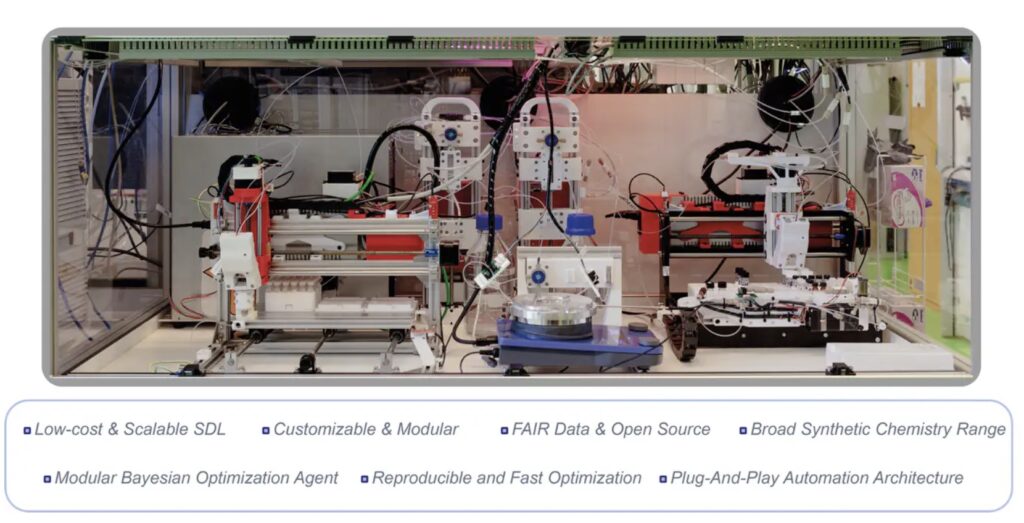 Image credit: HIMS / Nature Synthesis. In a paper published in Nature Synthesis, researchers led by Professor Timothy Noël of the University of Amsterdam’s Van ’t Hoff Institute for Molecular Sciences present an advance in autonomous laboratory systems for synthesis optimisation. A versatile, modular design and the option for “human-in-the-loop” analytics, RoboChem Flex caters to […]Source
May 29, 2026
-
 Claire chatted to Ahti Heinla from Starship Technologies about their AI-powered delivery robots that operate independently on streets and pavements. Ahti Heinla is the co-founder and CEO of Starship Technologies, the world’s leading autonomous delivery company building AI-powered robots that operate fully independently in real-world environments. One of the original engineers behind Skype’s billion-dollar success, […]Source
May 28, 2026
-
 New MIT work advances the growing field of ionotronics, in which data are transferred through ions, potentially providing a bridge between electronics and biological tissue.Source
May 27, 2026
-
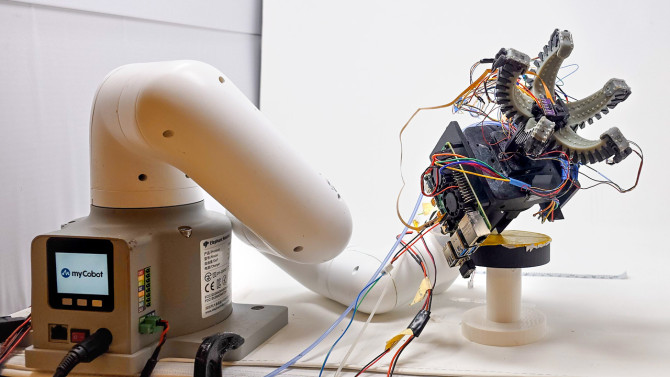 Cornell researchers used stretchable fiber-optic sensors to create a soft robot gripper that can predict the ripeness of strawberries by touch. Credit: Anand Mishra. By David Nutt When assessing the ripeness of fruit, sight and smell can tell you a lot, but the best indicator is often how the fruit feels. Cornell researchers used stretchable […]Source
May 22, 2026
-
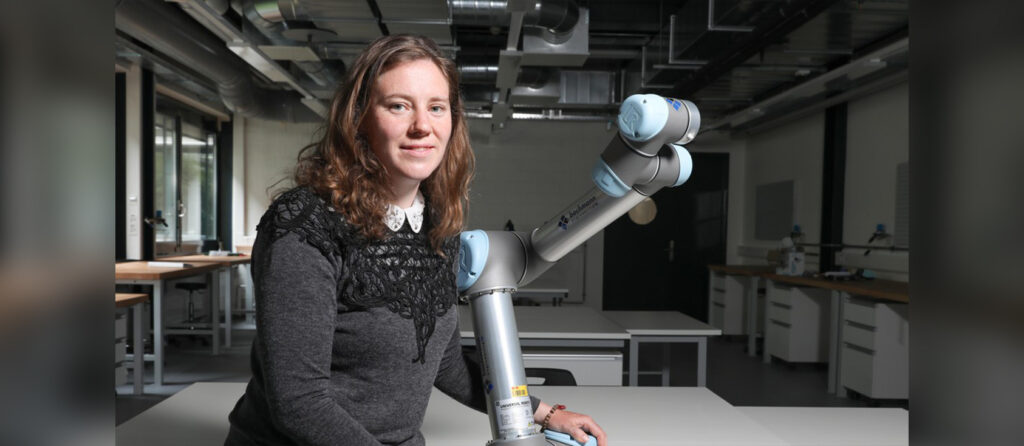 Claire chatted to Josie Hughes from École Polytechnique Fédérale de Lausanne about using AI to develop new designs for robotic manipulators. Josie Hughes is an Assistant Professor at EPFL, where she established the CREATE Lab in 2021. She completed her PhD in the Bio-inspired Robotics Lab at the University of Cambridge, examining the role of […]Source
May 20, 2026
-
 The recently launched Robotics Café is a weekly online seminar series to bring together researchers, students and industry practitioners working in the field of autonomous robotics. One of the key aims of the initiative is to provide a dedicated platform for students to present and disseminate their work, enabling broader visibility and impact across academia […]Source
May 18, 2026
-
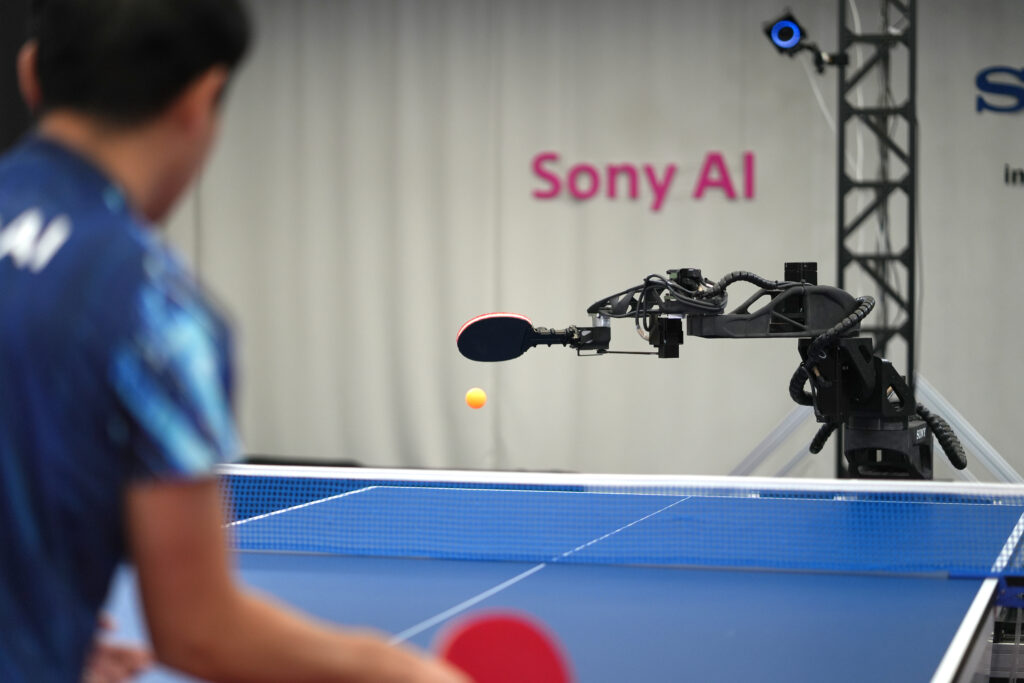 Ace rotates its paddle as it prepares to return the ball back to its human opponent, Yamato Kawamata, during a match in December 2025. Credit: Sony AI. By Kartikeya Walia, Nottingham Trent University A table tennis robot has outperformed elite players in recent evaluations. The robot, called Ace, marks a significant step toward artificial intelligence […]Source
May 15, 2026
-
 Claire chatted to Gavin Kenneally from Ghost Robotics about robot dogs for defence, security, and public safety. Gavin Kenneally is the Co-Founder and CEO of Ghost Robotics, a company that has gained a reputation for pushing the boundaries of legged robotics technology. In his current role, Gavin spearheads a team of highly skilled engineers and […]Source
May 13, 2026
-
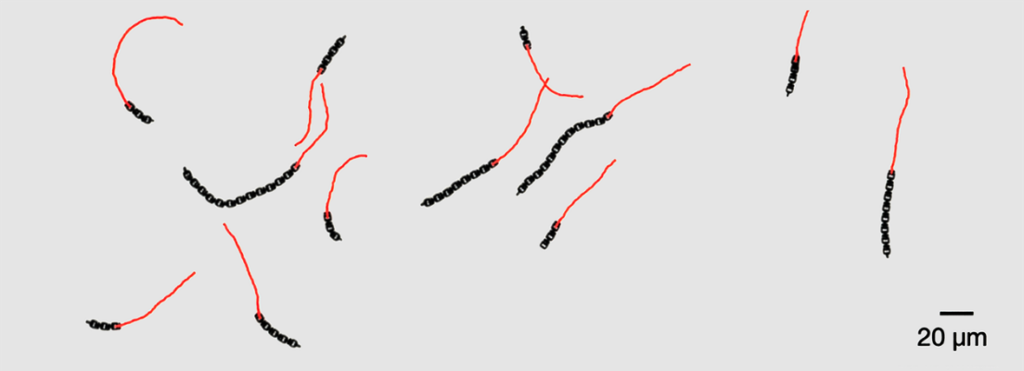 By C Huygelen Leiden researchers Professor Daniela Kraft and Mengshi Wei have created microscopic robots that move without sensors, software, or external control. Instead, their behaviour emerges entirely from their shape and the way they interact with their environment. This class of robots opens up entirely new possibilities for biomedical applications. Close-up of the microrobot. […]Source
May 11, 2026
-
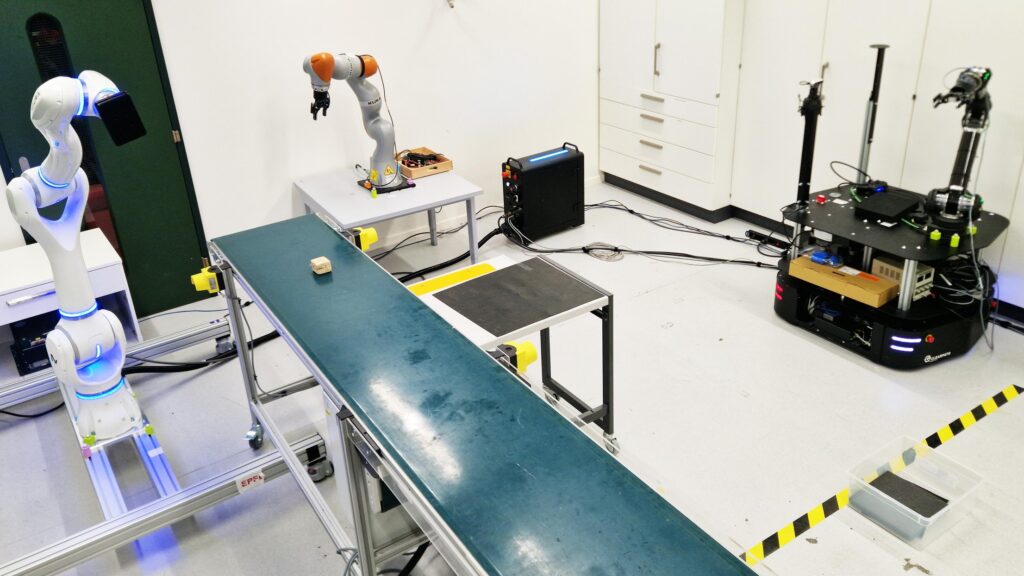 The assembly line task setup. Credit: 2026 LASA EPFL CC-BY-SA. By Celia Luterbacher In today’s manufacturing environments, upgrading a robot fleet often means starting from scratch – not only replacing hardware, but also reprogramming tasks. Even when two robots are built to perform similar jobs, different joint arrangements or movement limits mean that a task […]Source
May 8, 2026
-
 Claire chatted to Melissa Greeff from Queen’s University about autonomous navigation and learning for drones. Melissa Greeff is an Assistant Professor in Electrical and Computer Engineering at Queen’s University. She leads Robora Lab and is also an Ingenuity Labs Robotics and AI Institute member. Her research interests include aerial robots, vision-based navigation, and safe learning-based […]Source
May 7, 2026
-
 By David Nutt The way bugs and birds flap their wings may look effortless, but the dynamics that keep them aloft are dizzyingly complex and difficult to quantify. Cornell researchers created a computational model that shows the effect of insects’ morphology on stabilizing their flight. The findings could lead to a new way to understand […]Source
May 5, 2026
-
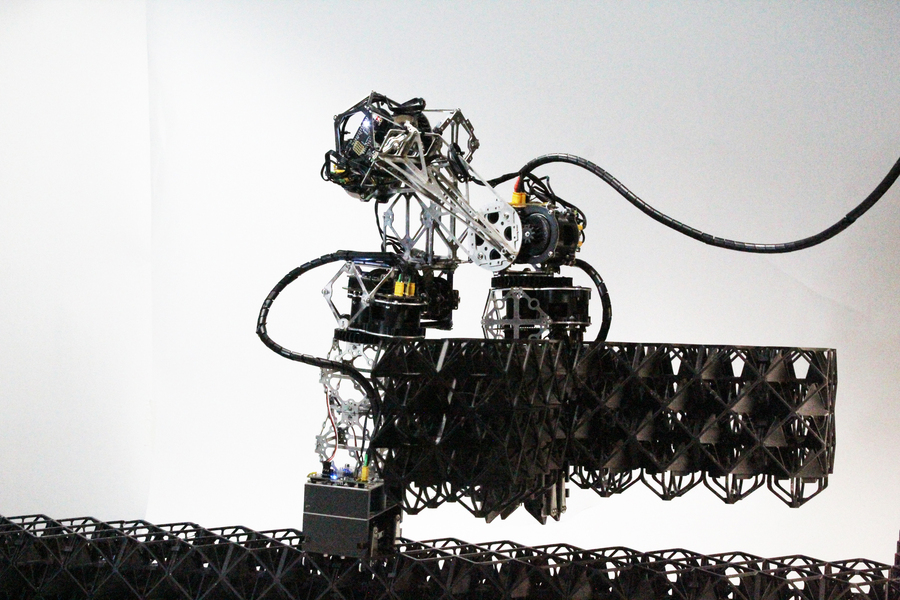 New research suggests constructing a simple building from interlocking subunits should be mechanically feasible and have a much smaller carbon footprint.Source
May 4, 2026
- Actuators are the main cost driver. For reference, see the Bill of Materials for Asimov v1, our open-source humanoid robot, including actuators. BOM: https://t.co/yjW40RTQOH https://t.co/vnWP0U3yYCSource
May 3, 2026
-
 Kinetix AI has introduced the KAI humanoid robot, a service focused platform with 115 DoF, tactile skin, dexterous hands and a late 2026 production target. The post Kinetix AI unveils KAI humanoid robot with 115 degrees of freedom appeared first on Humanoid.guide.Source
 -
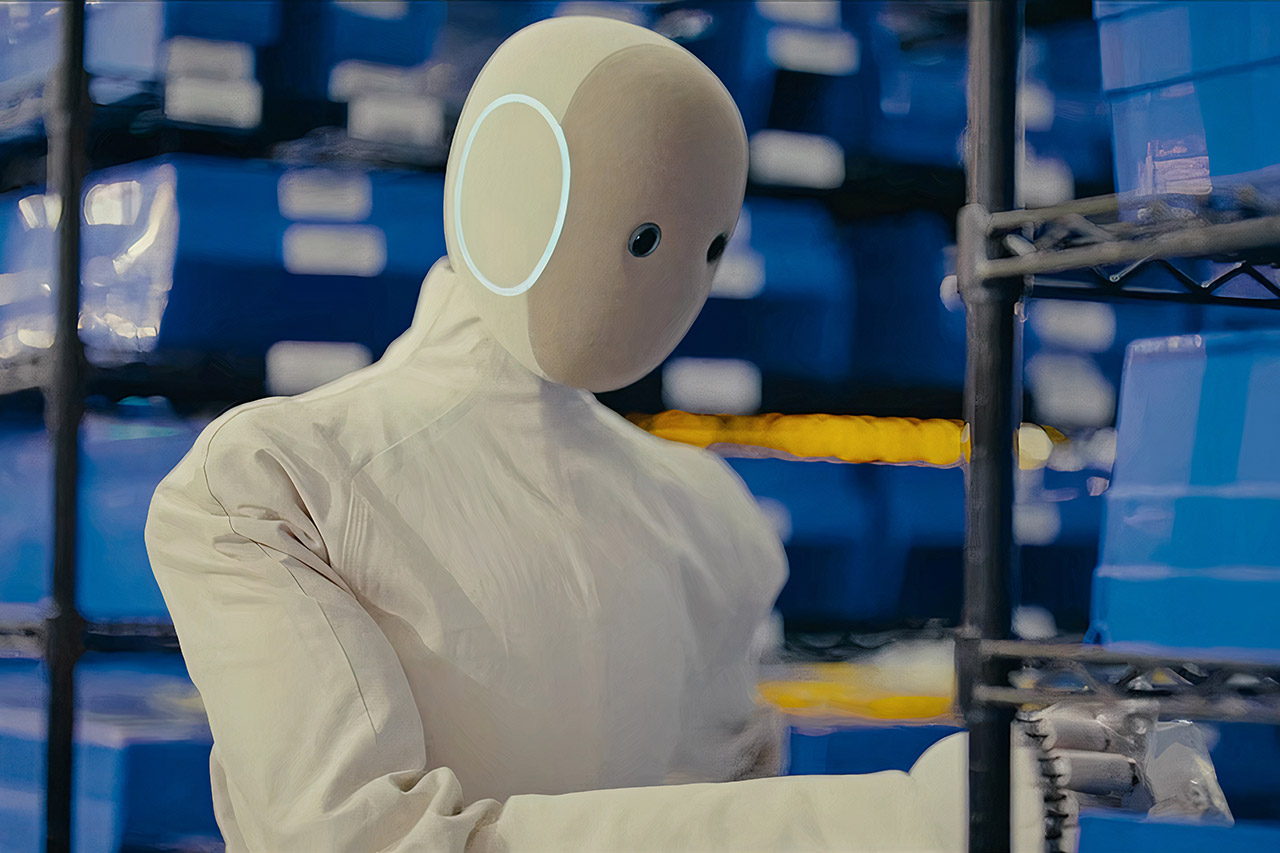 Workers make their way slowly through a 58,000 square-foot facility in Hayward, California, where 1X builds its NEO humanoid robots. A new factory tour takes you through each stage of the process, from beginning to end. Over two hundred people keep the operation running, and the setup already turns out thousands of key parts each month. Copper spools just roll in and are fed directly into the automated equipment that wind the coils for the Revo 2 motors. These motors power every movement in the NEO. And the factory produces thousands of them each month. Each one goes through aSource
May 2, 2026
-
 Meta Platforms acquires humanoid robotics startup Assured Robot Intelligence, strengthening its push into physical AI through its Superintelligence Labs division.Source
May 1, 2026
-
 Meta Platforms Inc. has acquired a robotics AI startup to develop a foundational "operating system" for humanoid machines, signaling a major hardware push despite recent leadership shifts in its AI research divisions.Source
 -
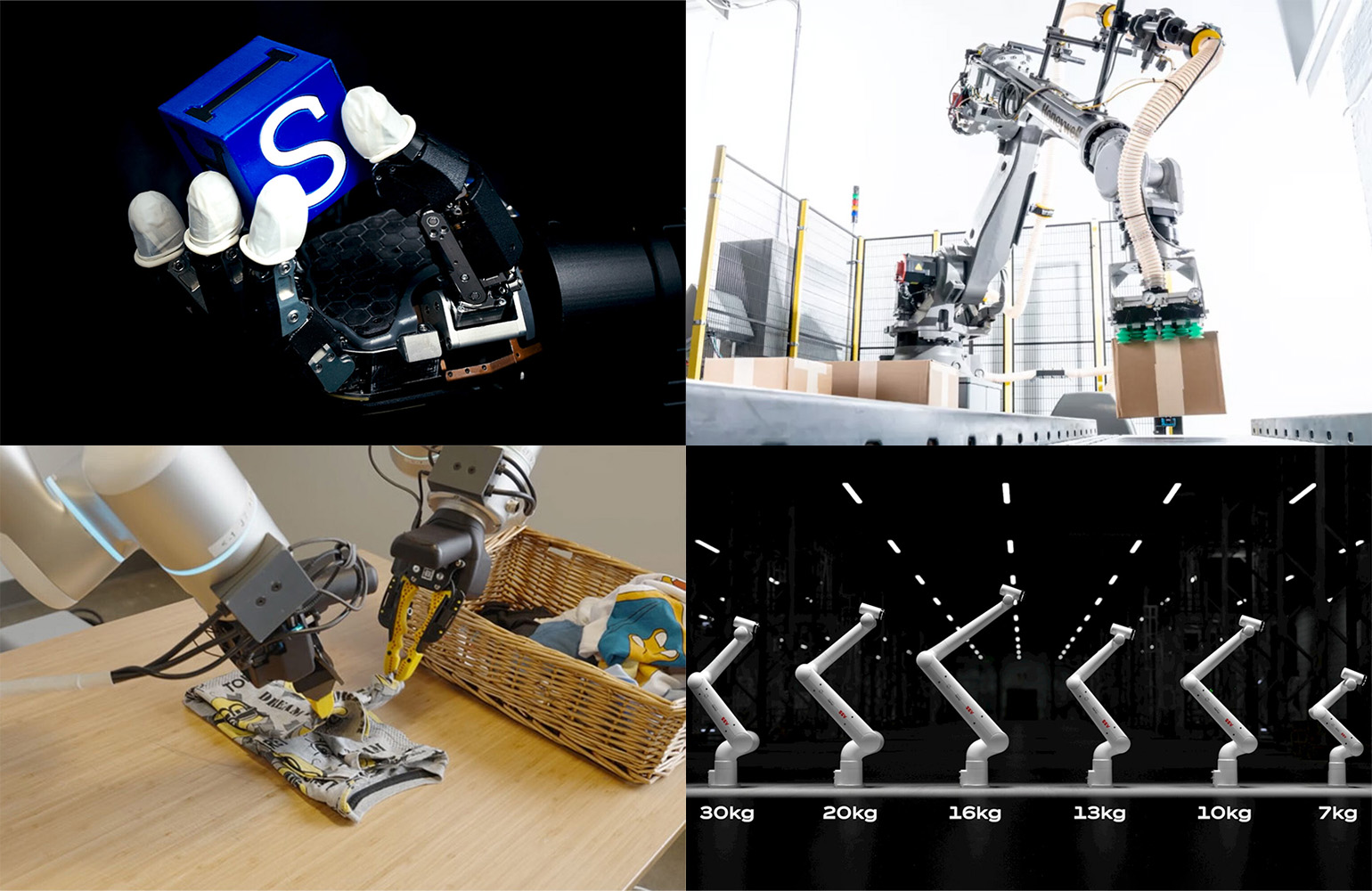 In April 2026, prominent robotics companies hit technical milestones, raised large funding rounds, and took part in patent disputes. The post Top 10 robotics stories of April 2026 appeared first on The Robot Report.Source
 - No pressure, since they'll be working at one of the busiest airports in the world.Source
-
 Video Friday is your weekly selection of awesome robotics videos, collected by your friends at IEEE Spectrum robotics. We also post a weekly calendar of upcoming robotics events for the next few months. Please send us your events for inclusion. ICRA 2026: 1–5 June 2026, VIENNA RSS 2026: 13–17 July 2026, SYDNEY Summer School on Multi-Robot Systems: 29 July–4 August 2026, PRAGUE Actuate 2026: 18–19 August 2026, SAN FRANCISCO Enjoy today’s videos! Figure is now able to produce 55 robots per week, which will be “allocated to internal research and development groups, data collection, efforts for robots to perform end-to-end housework, and commercial use-case development.” Er, that seems like a lot of robots to be making when commercial use cases are still “in development,” doesn’t it? [ Figure ] The opening of the NEO Factory in Hayward, Calif., marks a fundamental shift in humanoid robotics: The United States’ most vertically integrated robot factory has now begun full-scale production, bringing end-to-end manufacturing of NEO under one roof. Spanning 58,000 square feet and employing over 200 team members, 1X designs and builds every critical component in-house—motors, batteries, transmissions, sensors, structures, and final assembly—enabling faster iteration, superior safety, and true American scale. With the first robots already coming off the line and consumer shipments planned for 2026, this is the critical milestone that turns the vision of abundant, general-purpose home robots into reality. Scale will fix everything...? [ 1X ] Unlike statically stable robots, a dynamically balanced robot can shift its center of mass to accommodate loads without tipping over, so we like to see just how far we can push our software. Getting Digit to stand on one leg pushes the limits of our sim-to-real pipeline training methodologies—even the slightest model mismatches can lead to instability. [ Agility ] In this work, we develop a tactile-enabled whole-body humanoid manipulation...

April 30, 2026
-
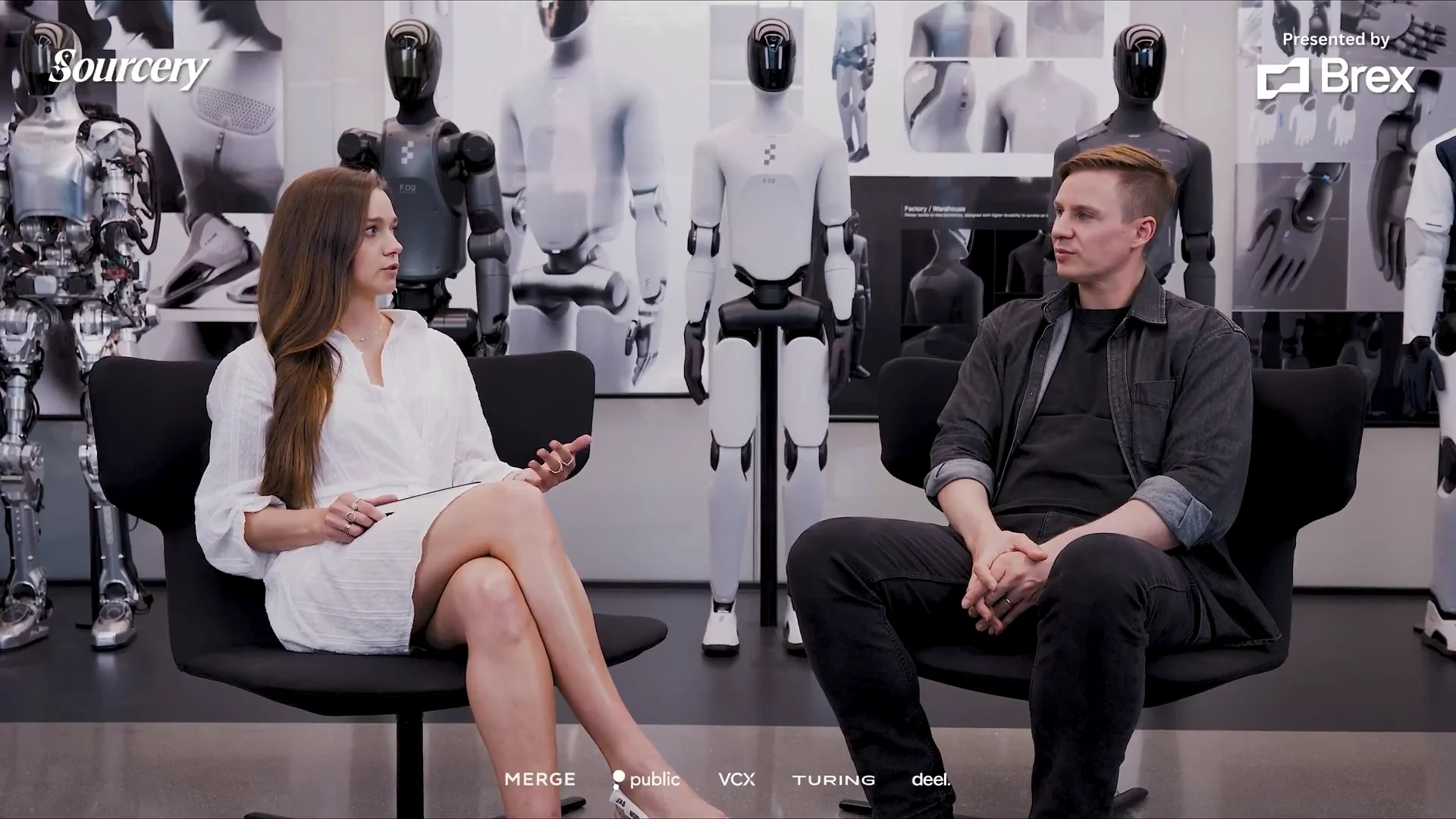 In a new interview with Molly O’Shea, Figure CEO Brett Adcock details the aggressive vertical integration of his robotics empire, his split with OpenAI, and why he is building three companies at once.LinksSource
 -
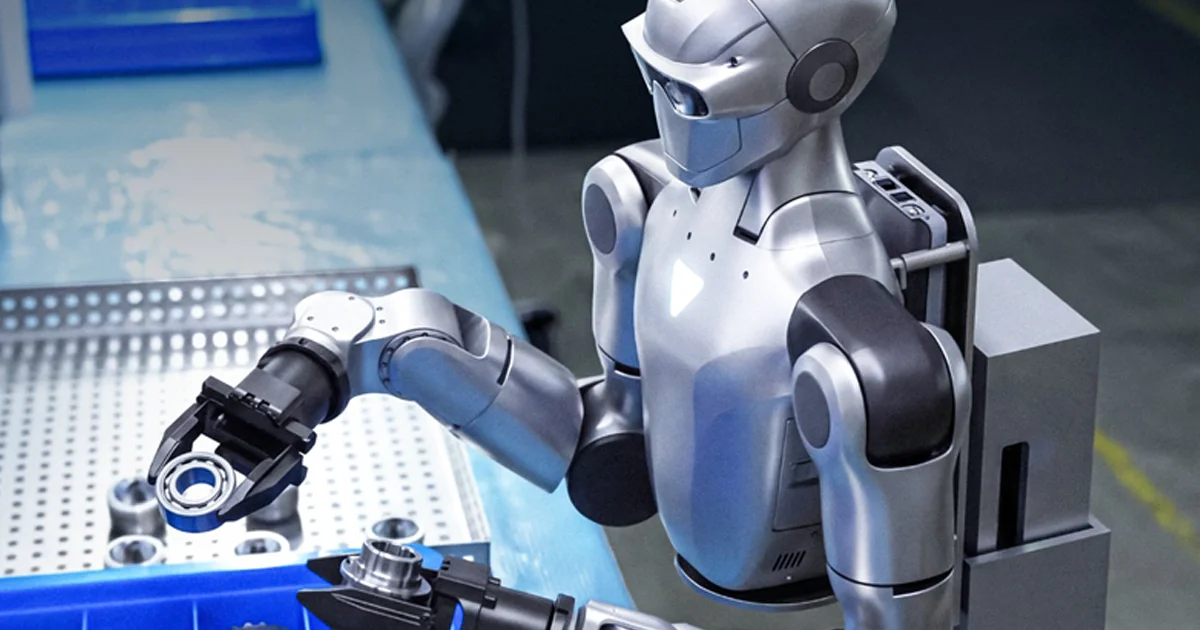 Unitree Robotics has unveiled a new dual-arm humanoid series featuring fixed and wheeled bases, positioning the hardware as a low-cost entry point for complex task development.LinksSource
 -
 Apptronik has hired senior leaders from Waymo, Boston Dynamics, Amazon and others as it prepares a new humanoid robot and shifts toward commercial scale. The post Apptronik adds executives for humanoid robot commercialization appeared first on Humanoid.guide.Source
April 29, 2026
-
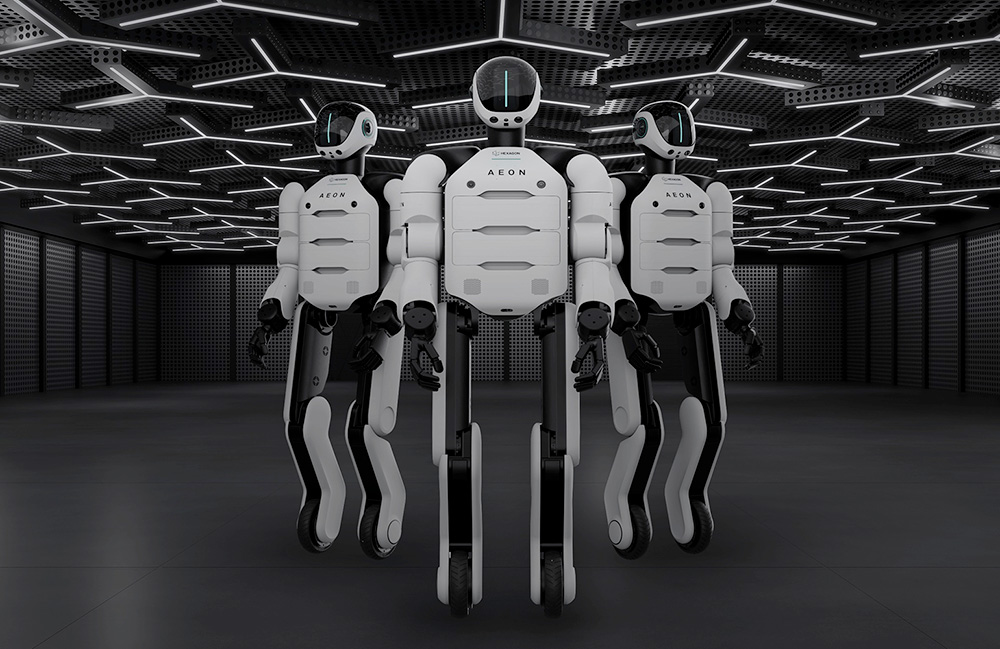 Schaeffler is deepening its investment in humanoid robots in production through partnerships with Hexagon and VinDynamics. The post Schaeffler plans to deploy 1,000 Hexagon humanoids by 2032 appeared first on The Robot Report.LinksSource
 -
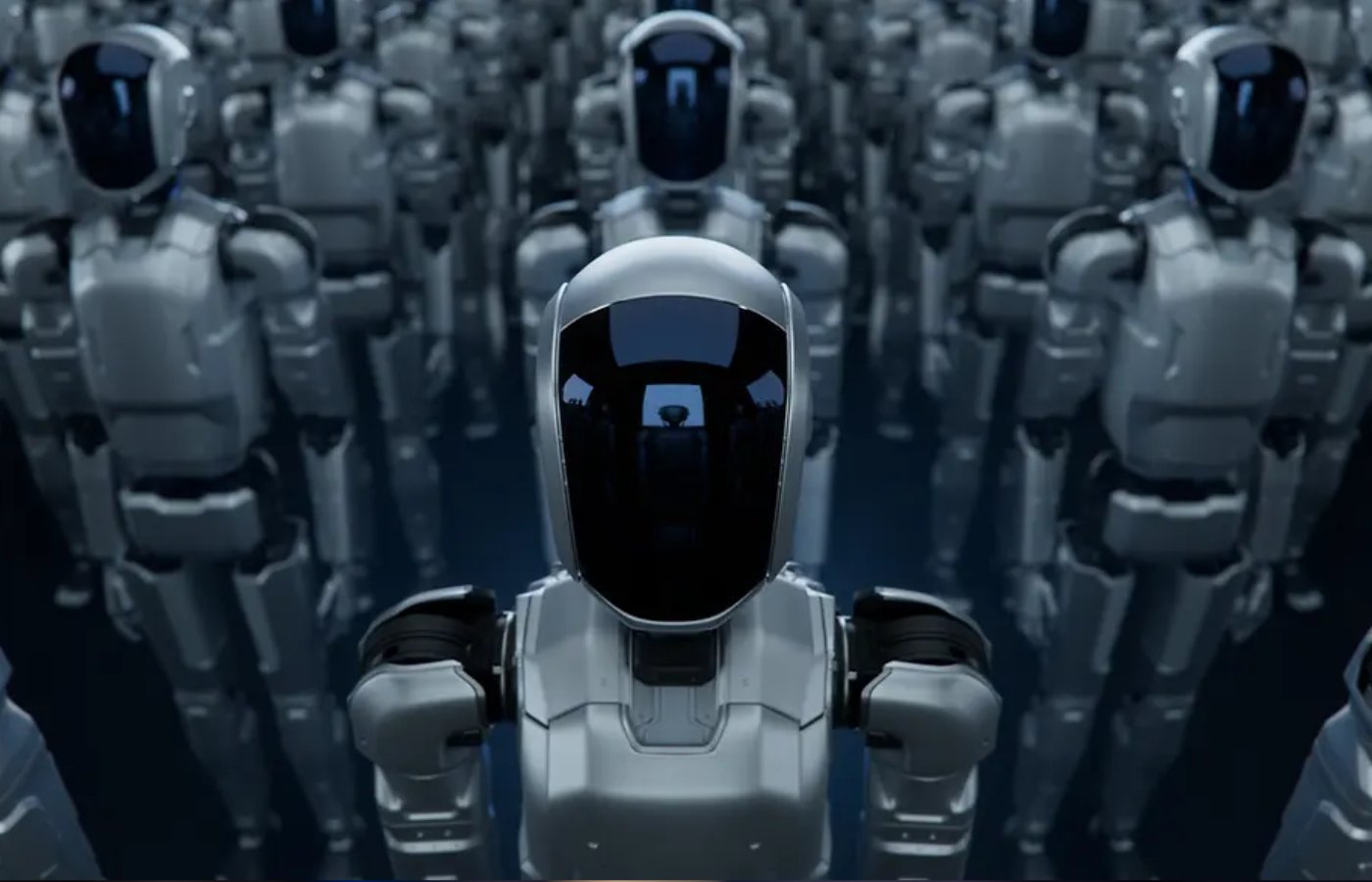 eWeek's latest humanoid robot rankings put Tesla Optimus first, ahead of Unitree and Agility, citing deployment progress, pricing, and market visibility. The post eWeek ranks Tesla Optimus first in 2026 humanoid robot rankings appeared first on Humanoid.guide.LinksSource
April 28, 2026
-
 Japan Airlines will test Unitree humanoids at Haneda from May, using them to move luggage and cargo as labor shortages tighten airport operations in Tokyo. The post Japan Airlines starts airport baggage humanoid robots at Haneda appeared first on Humanoid.guide.Source
 -
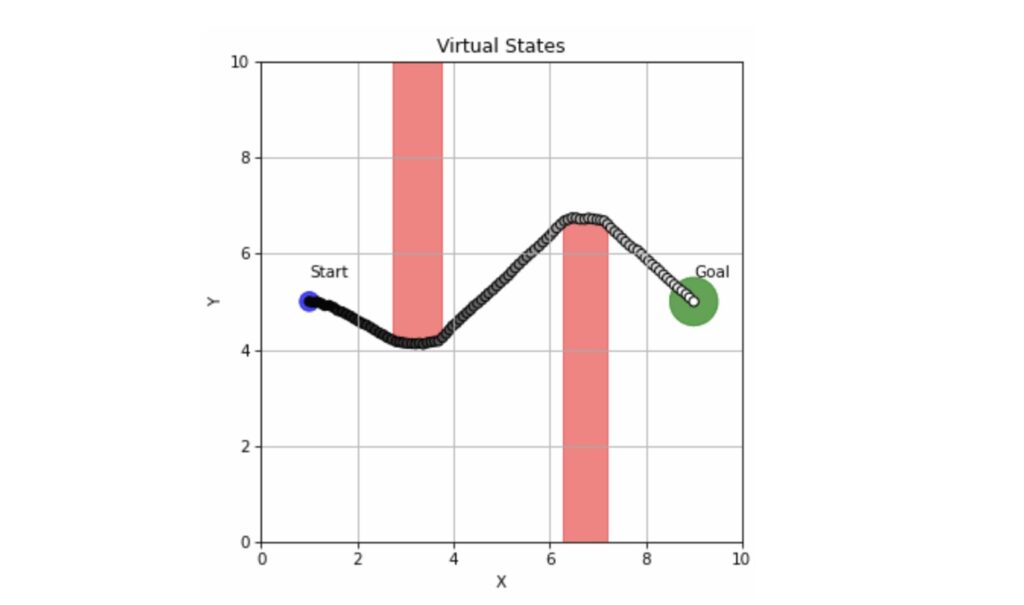 GRASP is a new gradient-based planner for learned dynamics (a “world model”) that makes long-horizon planning practical by (1) lifting the trajectory into virtual states so optimization is parallel across time, (2) adding stochasticity directly to the state iterates for exploration, and (3) reshaping gradients so actions get clean signals while we avoid brittle “state-input” gradients through high-dimensional vision models. Large, learned world models are becoming increasingly capable. They can predict long sequences of future observations in high-dimensional visual spaces and generalize across tasks in ways that were difficult to imagine a few years ago. As these models scale, they start to look less like task-specific predictors and more like general-purpose simulators. But having a powerful predictive model is not the same as being able to use it effectively for control/learning/planning. In practice, long-horizon planning with modern world models remains fragile: optimization becomes ill-conditioned, non-greedy structure creates bad local minima, and high-dimensional latent spaces introduce subtle failure modes. In this blog post, I describe the problems that motivated this project and our approach to address them: why planning with modern world models can be surprisingly fragile, why long horizons are the real stress test, and what we changed to make gradient-based planning much more robust. This blog post discusses work done with Mike Rabbat, Aditi Krishnapriyan, Yann LeCun, and Amir Bar (* denotes equal advisorship), where we propose GRASP. What is a world model? These days, the term “world model” is quite overloaded, and depending on the context can either mean an explicit dynamics model or some implicit, reliable internal state that a generative model relies on (e.g. when an LLM generates chess moves, whether there is some internal representation of the board). We give our loose working definition below. Suppose you take actions $a_t \in \mathcal{A}$ and...Source
April 27, 2026
-
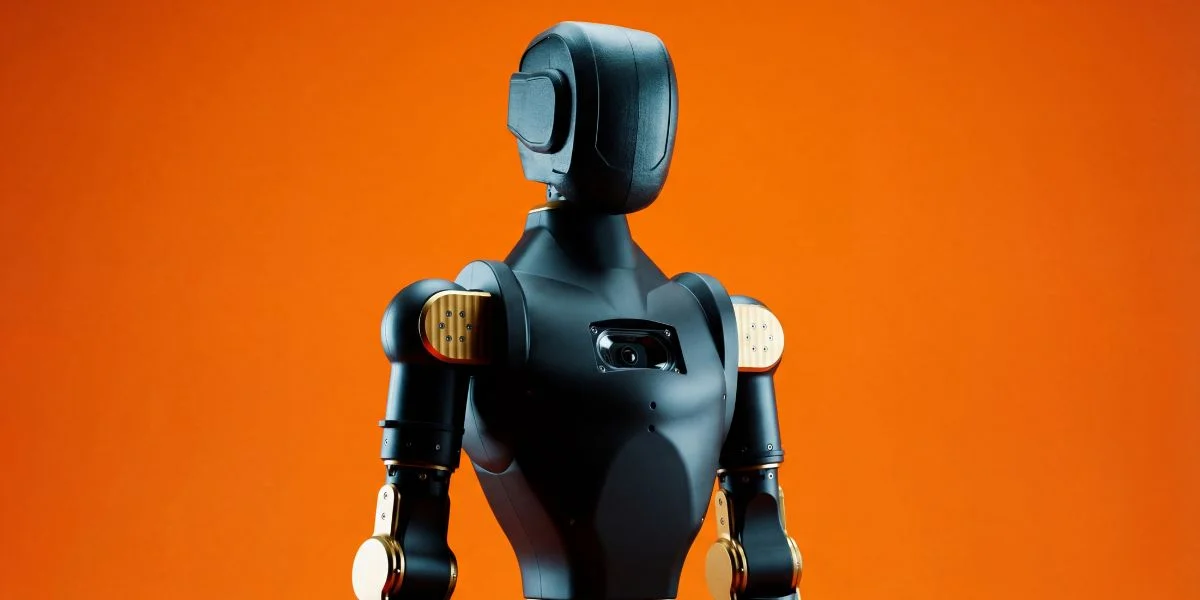 Following the launch of the "Here Be Dragons" kit, Menlo Research has released the full open-source repository for the Asimov v1 humanoid, including mechanical designs, electrical wiring, and a MuJoCo simulation model.Source
April 16, 2026
-
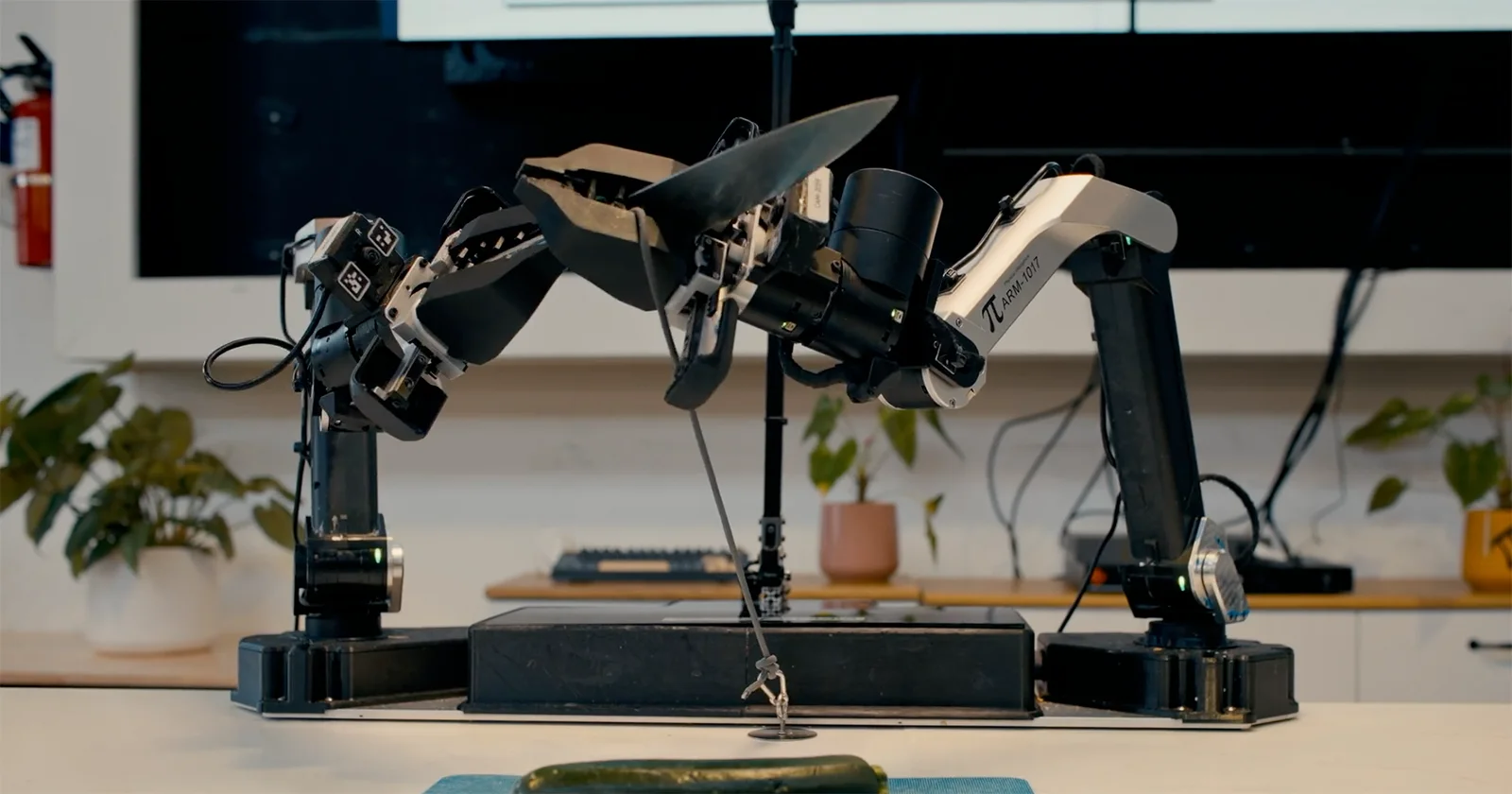 Physical Intelligence has released π0.7, a new foundation model demonstrating "emergent" abilities to combine skills and adapt to new robot hardware without task-specific training.Source
 -
 Roughly 90 percent of hard tech startups fail due to funding constraints, longer R&D timelines for developing hardware, and the complexity of manufacturing their products, according to a number of studies. Generally, these startups require up to 50 percent more investor financing than software ones, according to a Medium article. Typically, they need at least US $30 million, according to a Lucid article. That’s double the funding needed by software companies on average. To help them connect with investors, IEEE Entrepreneurship in 2024 launched its Hard Tech Venture Summits. The two-day events connect founders with potential investors and other entrepreneurs. Attendees include manufacturers, design engineers, and intellectual property lawyers. “Even though there are a lot of startup investor conferences, it’s hard to find those focused on hard tech,” says Joanne Wong, who helped initiate the program and is now the chair. She is a general partner at Redds Capital, a California-based venture capital firm that invests in global early-stage IT startups. The IEEE member is also an entrepreneur. She founded SciosHub in 2020. The company’s software-as-a-service and informatics platform automates the data-management process for biomedical research labs. “Many investors are focused on AI software—which is good,” she says. “But for hard tech companies, it is still hard to find support.” The summit also includes a workshop to help founders navigate manufacturing processes and regulatory compliance. The event is open to IEEE members and others. IEEE is a natural fit for the program, Wong says, because hard tech is synonymous with electrical engineering. “Some of the domains we’re covering are robotics, semiconductors, and aerospace technology. IEEE has societies for all these fields,” she says. “Because of that, there are many resources within the organizations for startups, whether it be mentors or guides on how to commercialize products.” There are several venture summits ...Source
 -
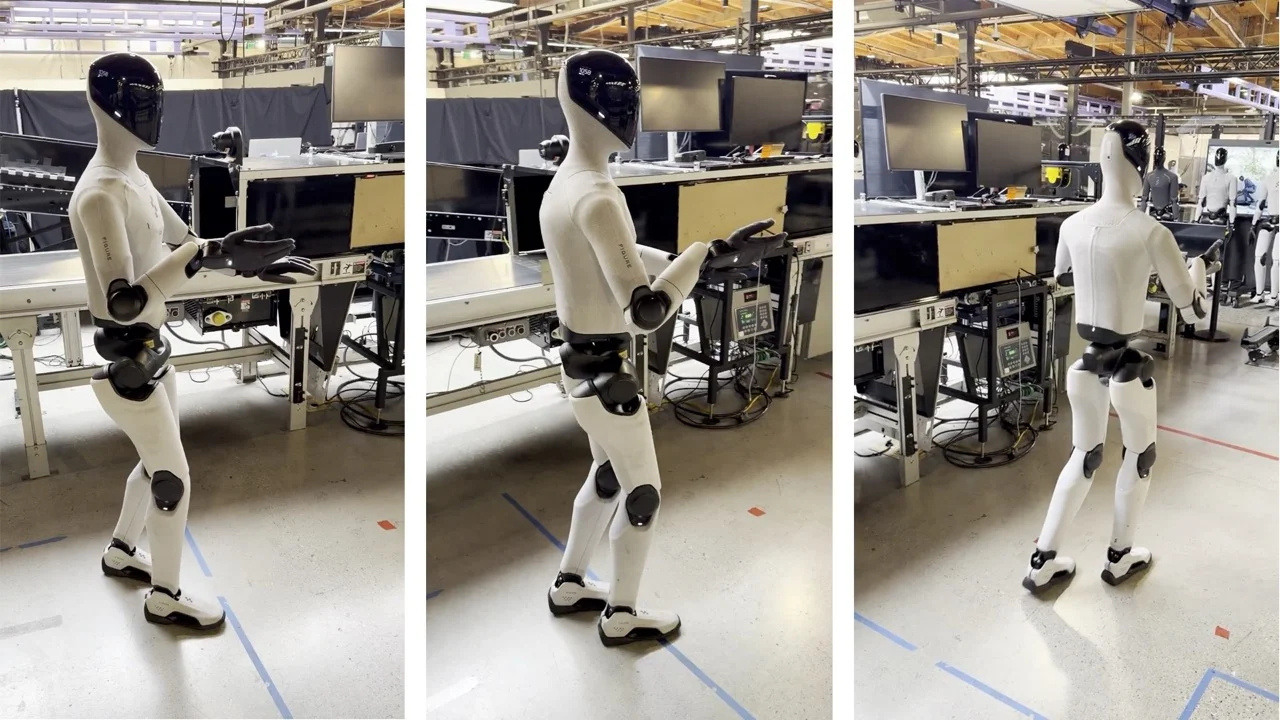 Figure CEO Brett Adcock has demonstrated 'Vulcan,' a new neural network controller that allows the Figure 03 to maintain balance and autonomously navigate to a repair bay even after losing up to three lower-body actuators.LinksSource
 -
 This article is part of our exclusive IEEE Journal Watch series in partnership with IEEE Xplore. Rail networks are vast, which makes it difficult to conduct comprehensive, continuous safety monitoring. Researchers in China have suggested analyzing the vibrations of existing fiber cables buried underground alongside railway tracks to detect problems. In a study published 5 March in the Journal of Optical Communications and Networking, the research group demonstrated through experiments how the technique can successfully identify a number of issues associated with train safety, including faulty train wheels and broken sound barriers alongside the railway tracks. Sasha Dong is a junior chair professor in Southeast University’s School of Transportation, in Nanjing, China. She notes that traditional approaches for monitoring railways—such as video surveillance, radar, and ultrasonic sensing—can be effective, but they are often limited to monitoring railways at single points along entire systems. “As a result, they are not well suited for continuous coverage along an entire railway line and are also more vulnerable to weather conditions, environmental factors, and power supply constraints,” she says. Instead, Dong, Yixin Zhang at Nanjiang University, and their colleagues used a technique called distributed acoustic sensing (DAS) to analyze the vibrations of underground optic fiber cable alongside railway tracks to detect safety issues. Specifically, pulsed light is sent along the cable, and the propagation of scattered light is used to detect and quantify vibrations along the cable. The researchers developed AI models to filter out the noise from those signals and to identify the particular vibrations associated with various kinds of unsafe conditions, such as damaged or defective wheels. Dong notes that railways already have extensive optical fiber networks for communication buried underground alongside them, meaning that the cables can be harnessed as a sensing mediu...Source
 -
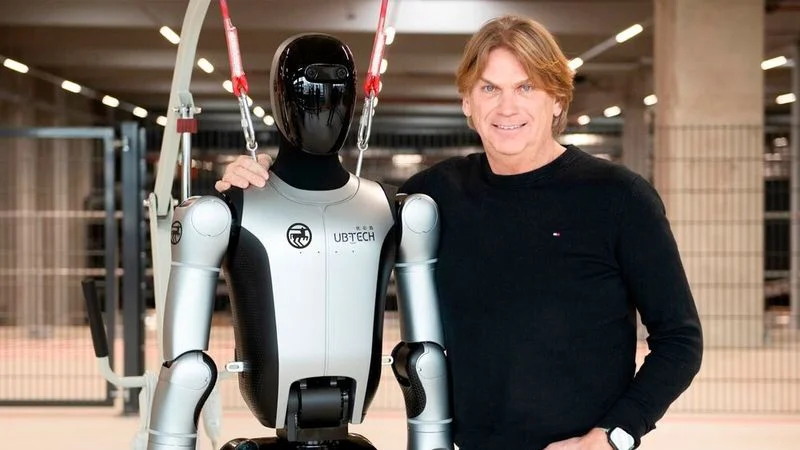 German retail giant Rossmann has launched a year-long pilot program using the UBTECH Walker S2 humanoid robot to automate repetitive warehouse tasks, marking a significant expansion of UBTECH's industrial footprint into Europe.
 -
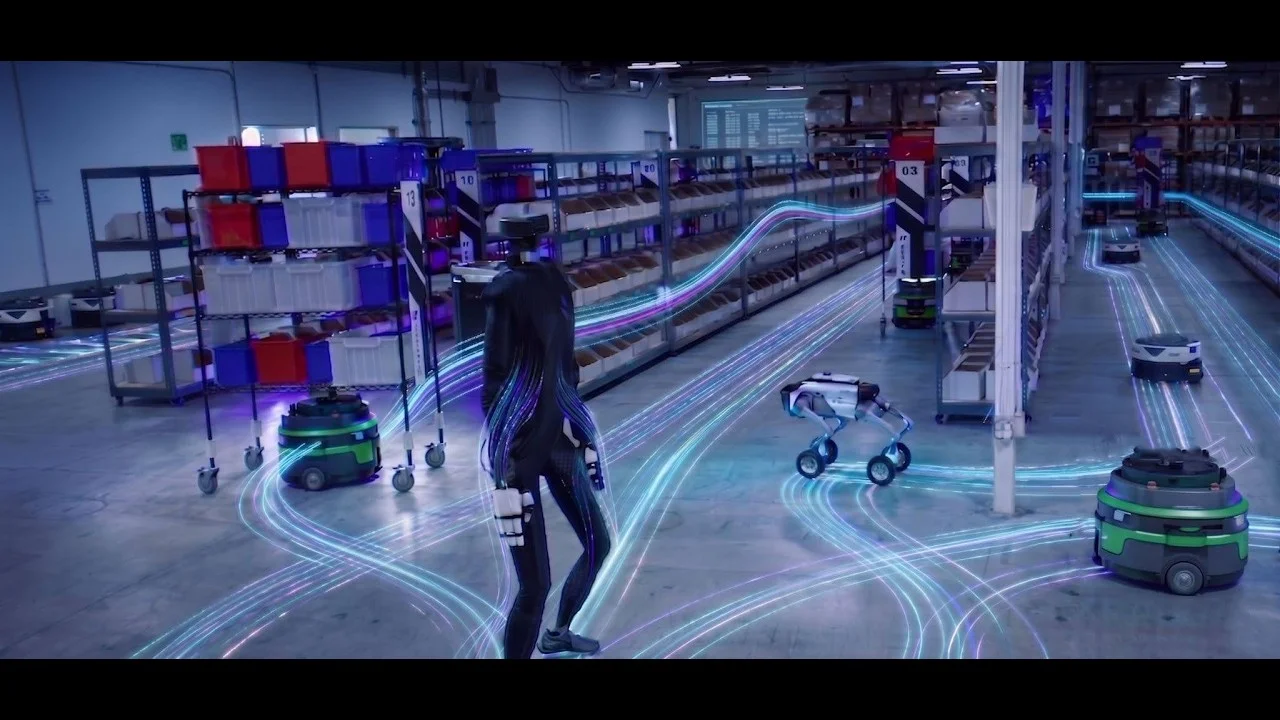 Skild AI has acquired Zebra Technologies’ robotics automation business, formerly Fetch Robotics, to integrate fleet management with its "omni-bodied" foundation model.Source
April 15, 2026
- The Agibot G2 is the first humanoid robot to get a job alongside humans on a high-speed electronics production line, Agibot says.LinksSource
-
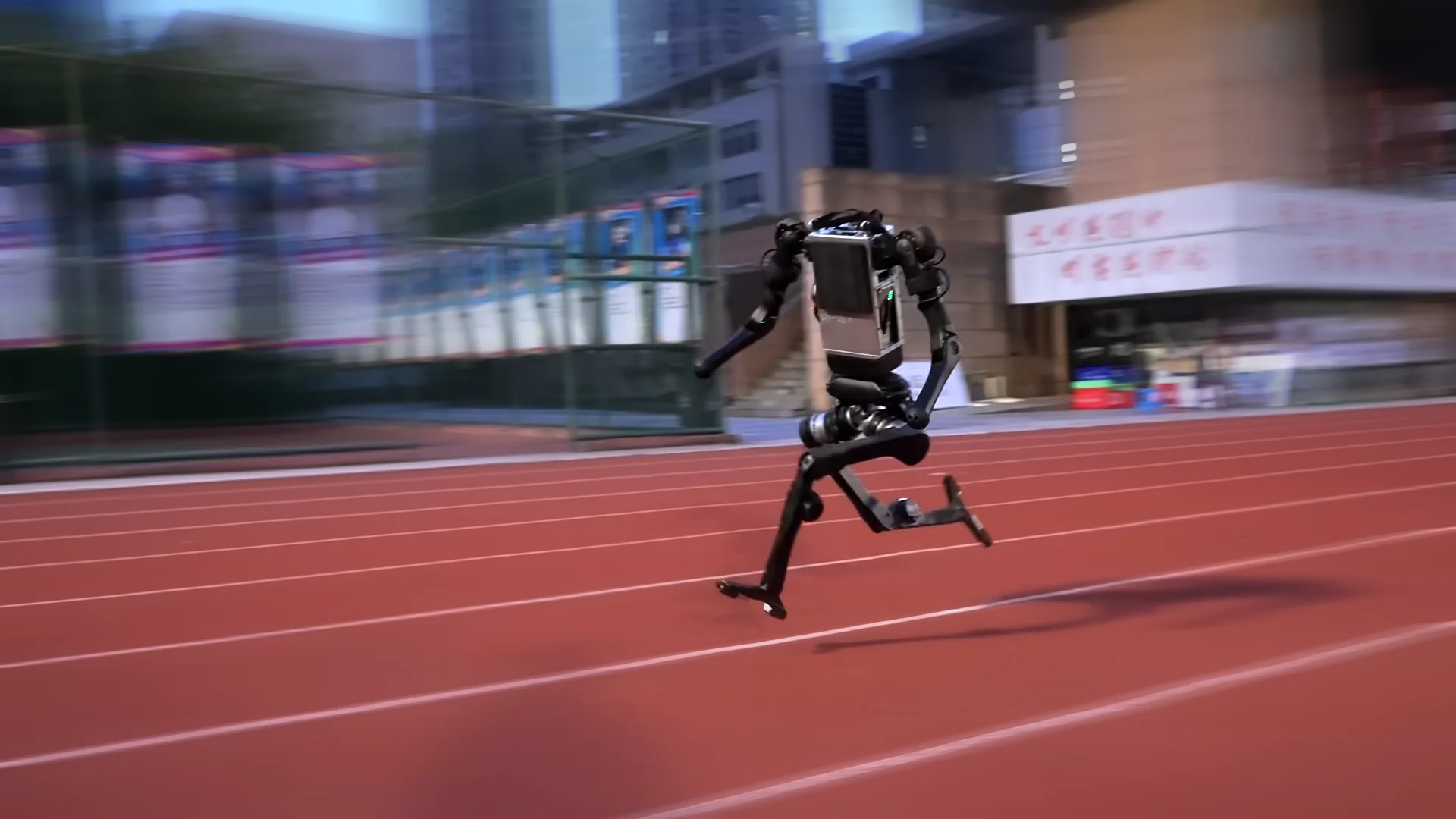 After a year of distancing itself from third-party performance at the Beijing Humanoid Robot Marathon, Unitree officially enters the race with a fine-tuned H1 aiming for a sub-60-minute half-marathon.Source
April 14, 2026
-
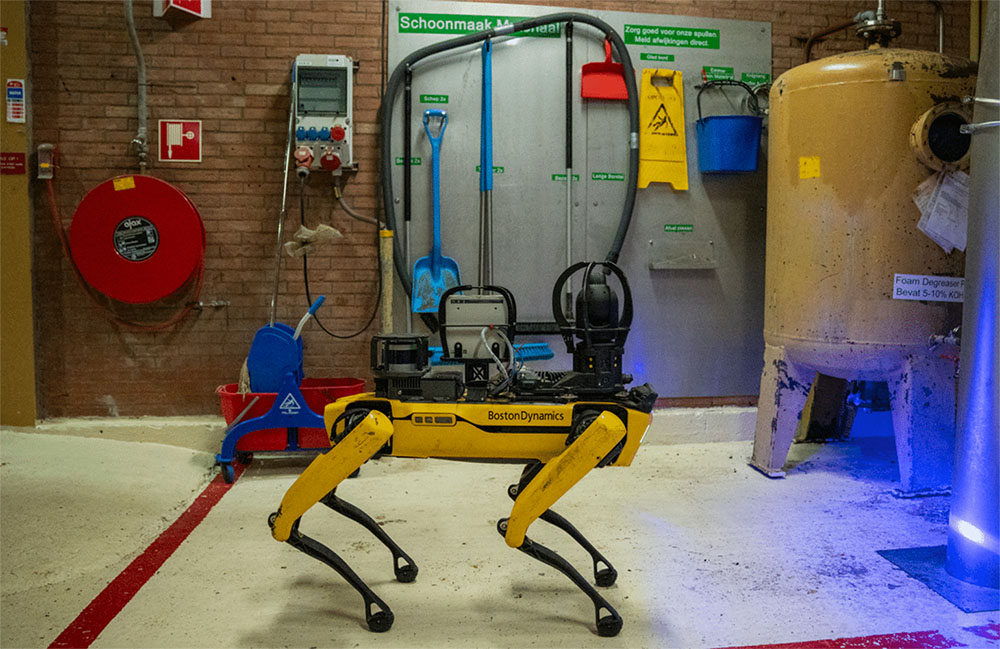 Boston Dynamics said Google DeepMind's Gemini will bring better reasoning and adaptability to AIVI-Learning. The post Boston Dynamics and Google Deepmind are using Gemini to make Spot smarter appeared first on The Robot Report.
 -
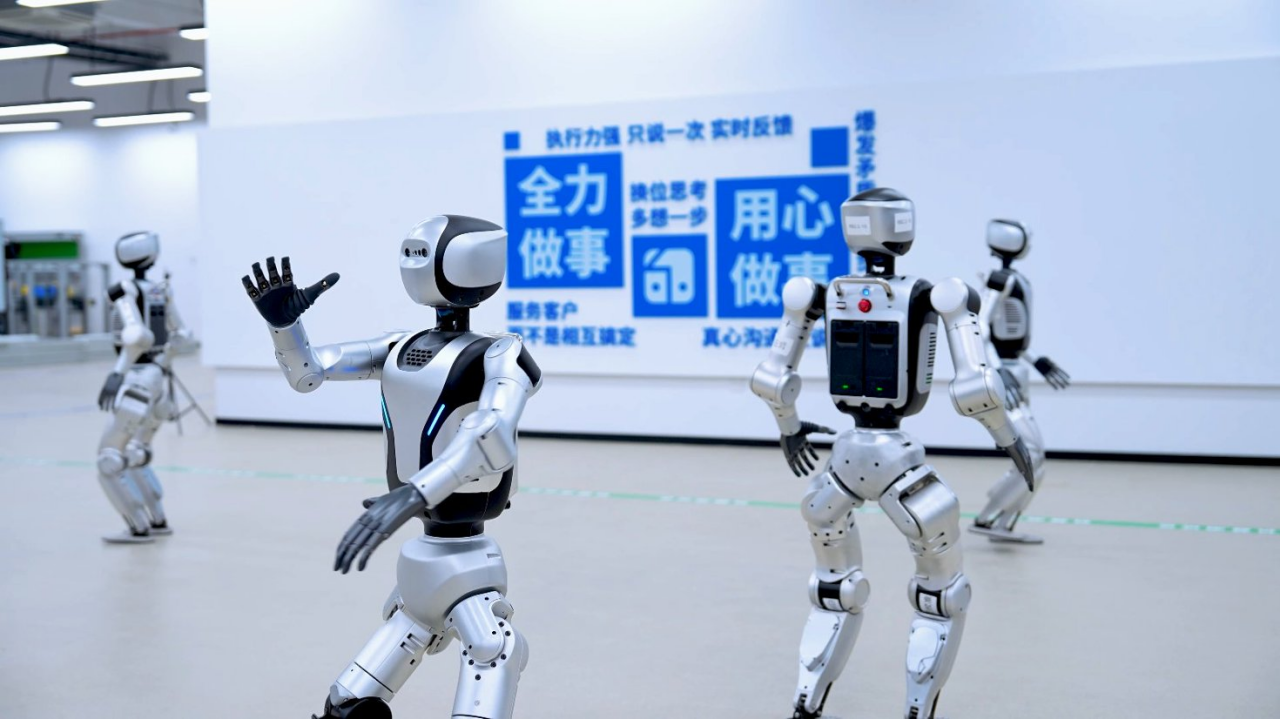 A new pilot line in Shenzhen marks a shift from humanoid robot prototypes to scalable manufacturing, with plans for automated high volume output. The post Shenzhen opens pilot humanoid robot production line appeared first on Humanoid.guide.Source
 -
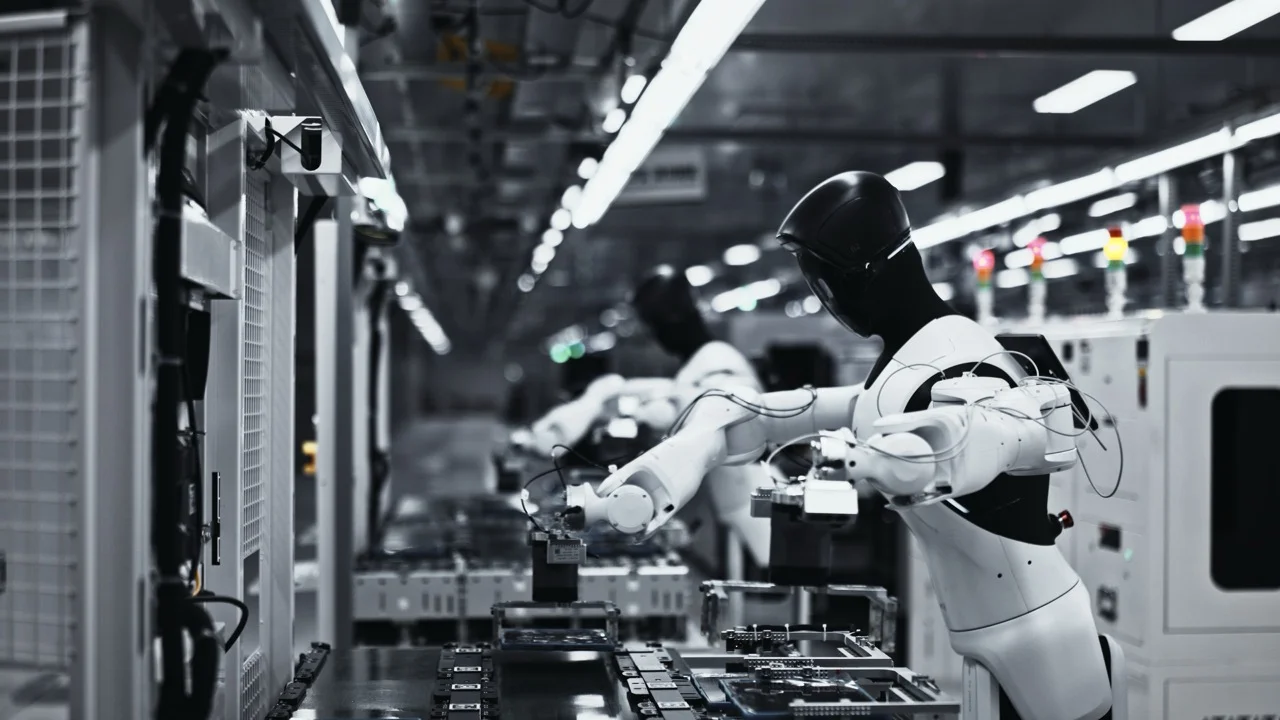 Closing out AGIBOT AI Week, the company moves beyond the lab to announce the successful integration of AGIBOT G2 robots into Longcheer Technology’s live consumer electronics assembly lines.LinksSource
April 13, 2026
-
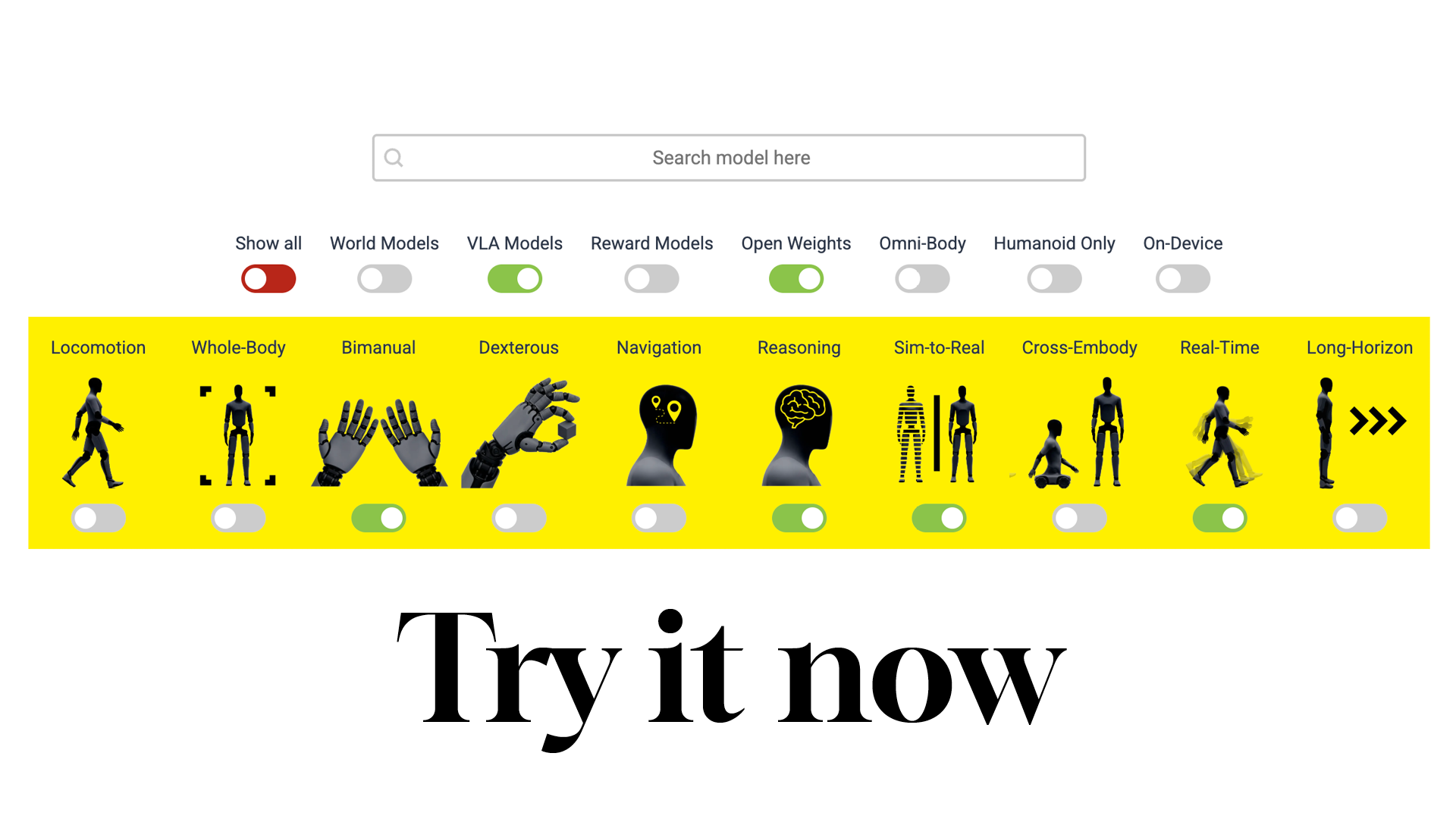 Free interactive platform evaluates 40 AI models across 10 capability dimensions, giving the robotics industry its first standardized way to compare the brains powering humanoid robots STAVANGER, Norway, April 14, 2026 – Today, we launched the Humanoid Foundation Model Benchmark – a free, publicly accessible rating and comparison system that evaluates the 40 most significant... The post We just launched the first independent benchmark and rating system for humanoid robot foundation models appeared first on Humanoid.guide.Source
 -
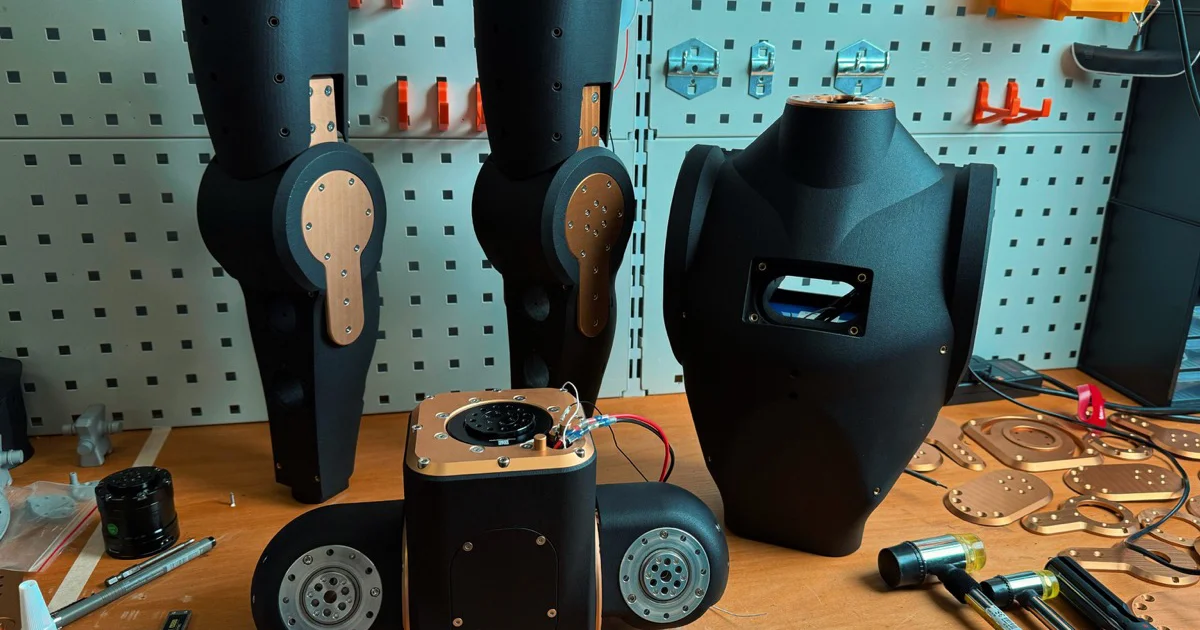 Following the launch of the "Here Be Dragons" DIY kit, Menlo Research has released a comprehensive guide detailing the mechanical, electronic, and simulation hurdles of building a 1.2-meter humanoid at home.Source
 -
 Robotics company 1X has announced a major deal with private equity firm EQT to deploy up to 10,000 of its Neo humanoid robots across various industries over the next five years. The advanced, AI-powered robots are designed to work alongside human workers, handling repetitive or dangerous tasks to boost productivity and safety. While some critics raise concerns about the ethical and privacy implications, 1X and EQT argue the robots will empower employees rather than replace them.LinksSource
April 12, 2026
-
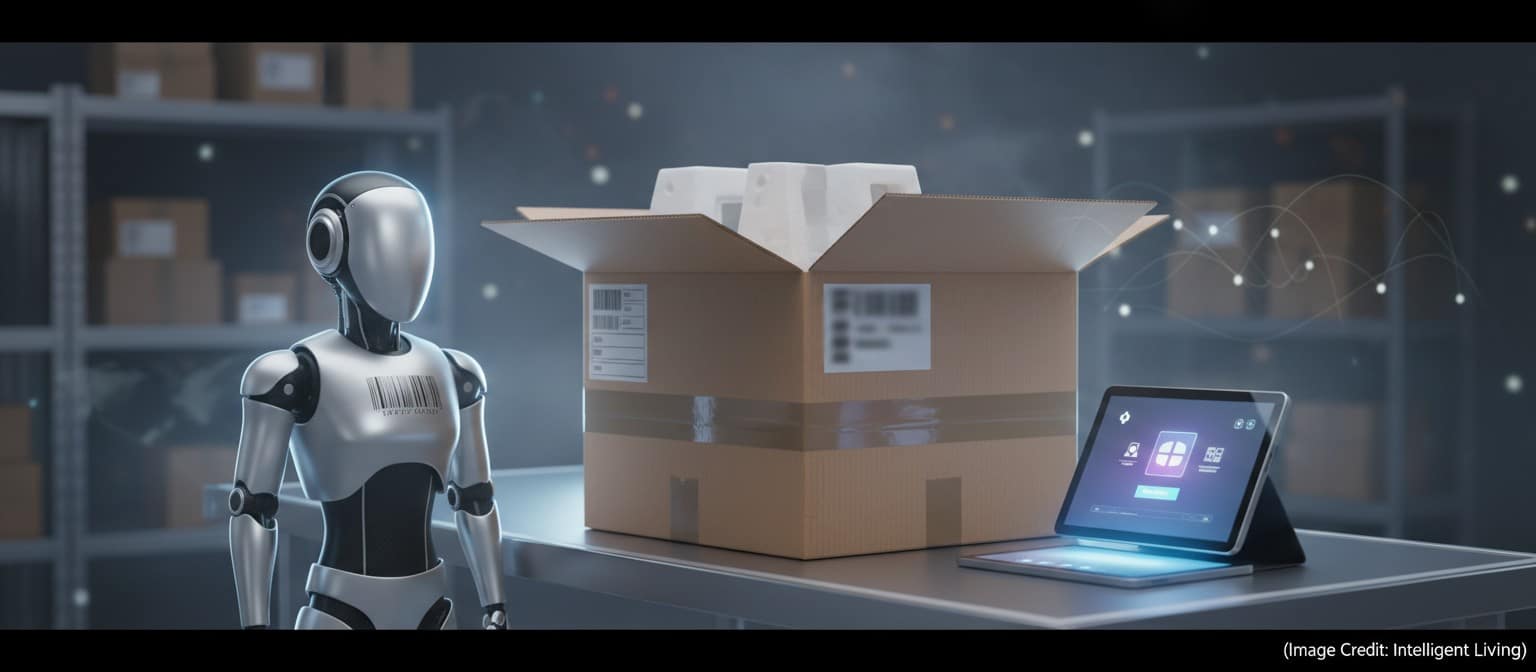 Unitree’s R1 humanoid appearing on AliExpress signals a shift toward accessible embodied AI platforms for labs, schools, and developers. The post Unitree R1 Humanoid Listed on AliExpress Below $5000 appeared first on Humanoid.guide.Source
April 11, 2026
-
 Christian Pedersen, chief product officer at IFS, is this week's podcast guest. He discusses how physical AI and robots can supplement asset management workflow. The post Transforming asset management with physical AI appeared first on The Robot Report.Source
 -
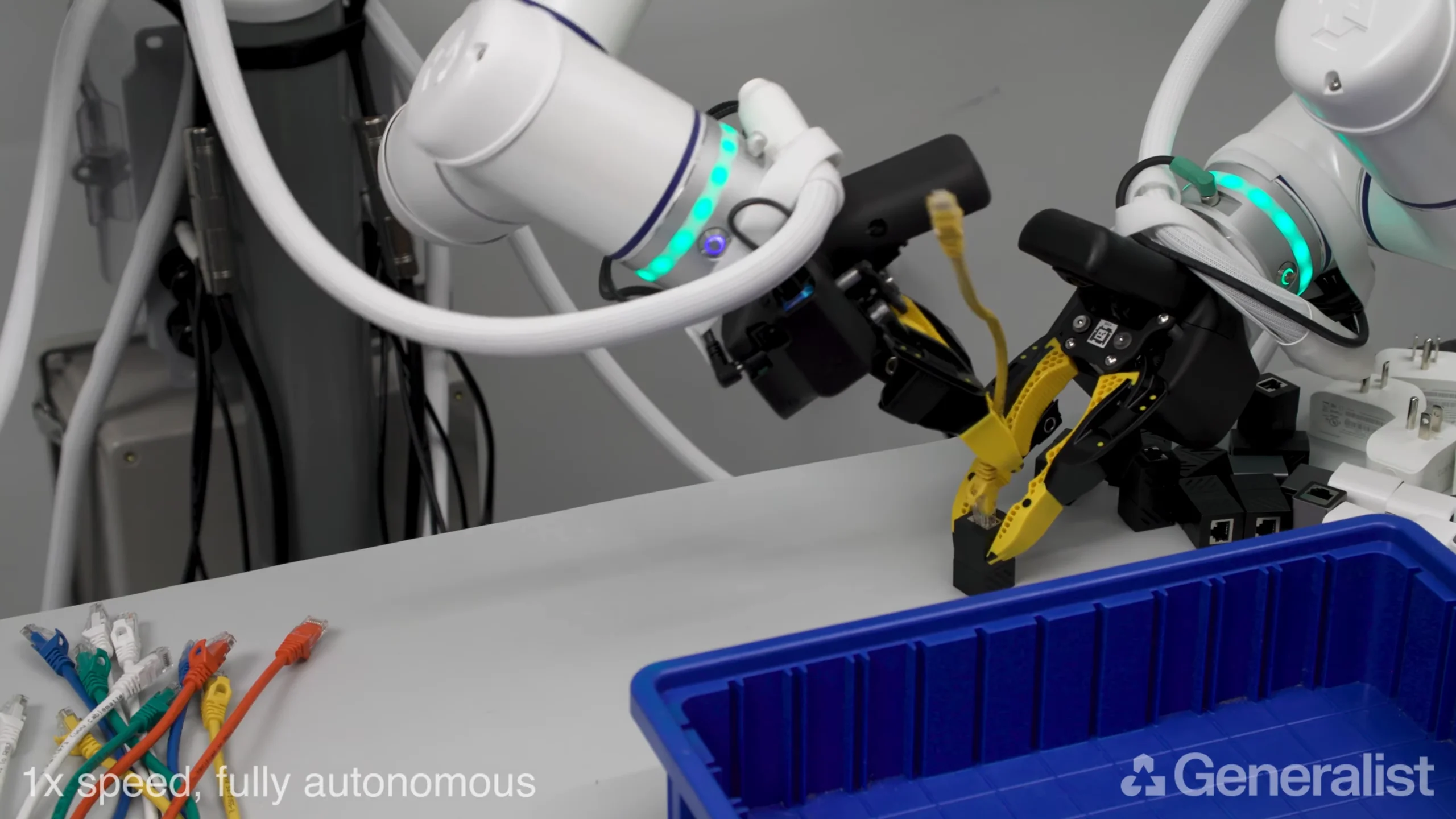 Generalist AI CEO Pete Florence argues that terms like 'VLA' and 'World Model' are temporary crutches for the industry, revealing that GEN-1's 99% scratch-trained architecture is a bet on the eventual dominance of pure robotic data.Source
 -
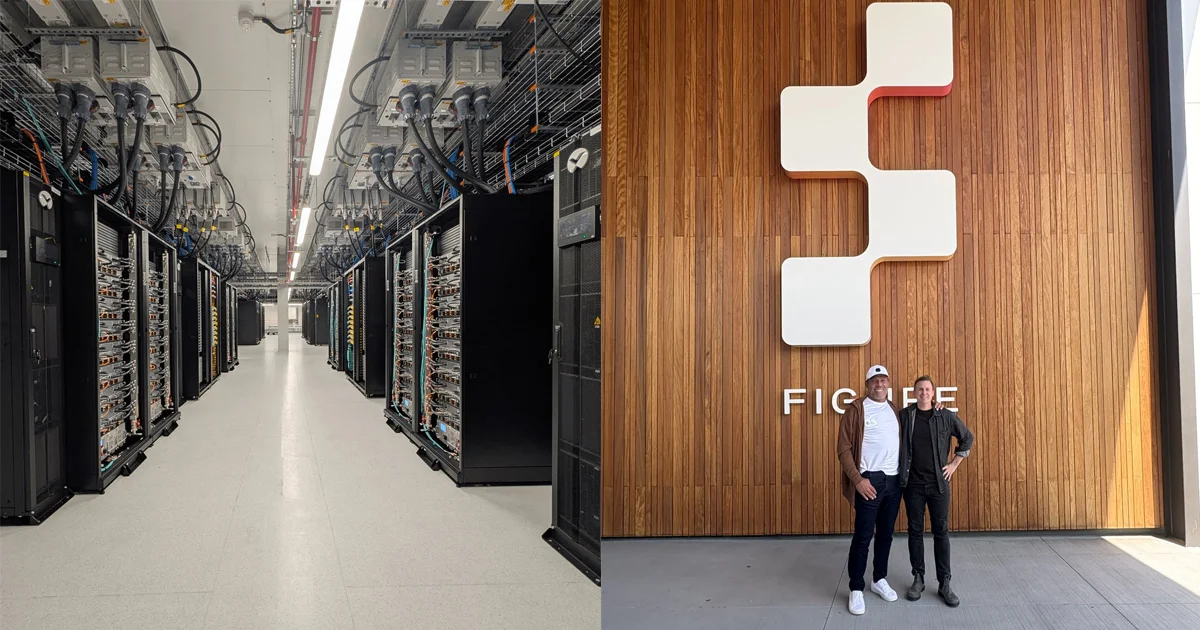 CEO Brett Adcock announces a massive procurement of Blackwell GPUs to power physics prediction for Figure and next-generation multimodal models for Hark, as motivational speaker Tony Robbins visits HQ.Source
April 10, 2026
-
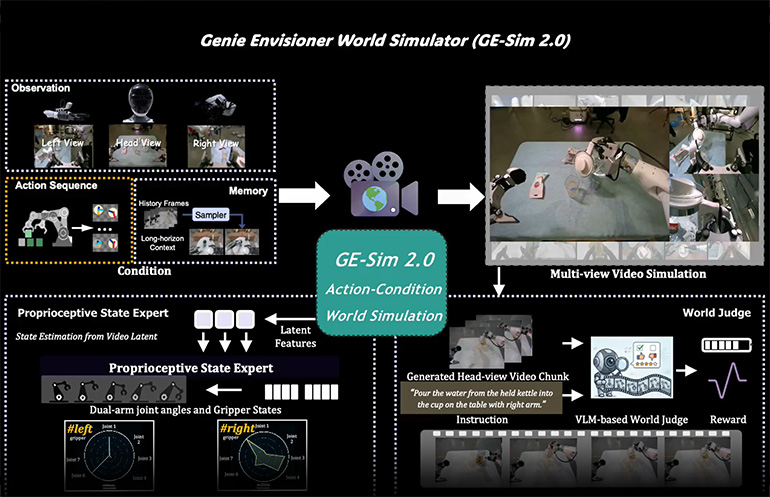 AGIBOT says its Genie Envisioner 2.0, or GE 2-Sim, enables evolution from world models to interactive 'world simulators.' The post AGIBOT unveils Genie Envisioner 2.0 to advance world models into scalable simulators for embodied AI appeared first on The Robot Report.LinksSource
 -
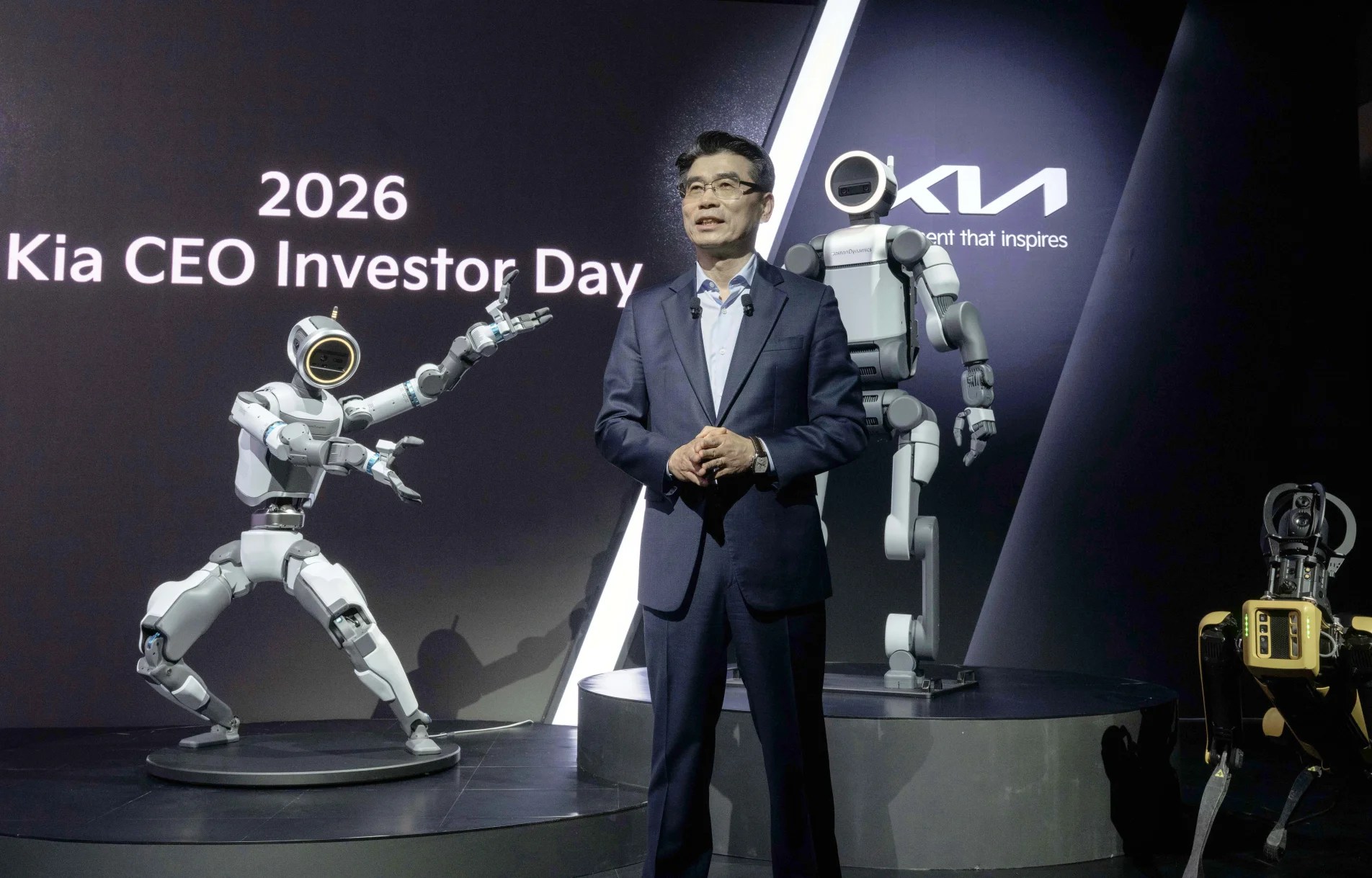 At its 2026 CEO Investor Day, Kia outlined an ambitious execution roadmap for robotics, including the full-scale industrial deployment of Boston Dynamics’ Atlas starting in 2028 and a multi-modal logistics solution integrated with its next-generation electric vans.LinksSource
Date Unknown
-
-
- LinksSource